Hearing Health: Why you need an Audiologist
Hearing Health: Why you need an Audiologist
Hearing Health: Why you need an Audiologist
Hearing Health: Why you need an Audiologist
Oct 19, 2020
Whether you've experienced it yourself or you've watched a loved one walk through it, hearing loss can be a difficult and scary thing.
You know that you need to find a good, qualified hearing doctor, but the question remains: how do you pick one?
In a world of telemedicine, it can be difficult to know if you are making the right doctor selection - that's why we've put together this guide on what to look for when looking for a quality audiologist:
What is an Audiologist?
In short, an Audiologist is a health care professional who specializes in the evaluation, diagnosis, and prevention of hearing loss, balance issues, and other neural system disorders.
Since hearing loss and other neural system disorders can affect anyone, regardless of age, Audiologists serve a wide demographic of patients, all the way from newborns to seniors.
They typically will be the ones to evaluate the severity of hearing loss and come up with a treatment plan for their patients.
They will also occasionally fit their patients for hearing aids.
Important: An Audiologist is not an ENT or Hearing Aid Specialist
Patients will often confuse an audiologist with either an ENT (Otolaryngologist, or Ear, Nose, and Throat Doctor) or a Hearing Aid Specialist. Audiologists specifically deal with the study of hearing - and the different variables that go into hearing loss.
Otolaryngologists specialize in the ears, nose, and throat's health, though not the specific function of the ears.
Finally, Hearing Aid Specialists go through specific training on how to fit hearing aids for a patient.
Occasionally an Audiologist may have that training, but they are not the same.
What kind of education do Audiologists go through?
As mentioned above, Audiologists specialize in the study of hearing - and go through rigorous courses of study to attain advanced degrees.
According to Hopkins Medicine, audiologists have to have a minimum of a Master's degree from a credited university, and many today have a Doctorate in Audiology.
After their formal education, they serve in a fellowship or externship for a full year before taking the boards to receive their license and accreditation to practice Audiology.
Both national and state accreditation is required for them to practice, and they are required to enroll in furthering education credits to keep their certification active and viable.
Why do I need an Audiologist?
Every human being will experience hearing loss at some point in their life, most between the ages of 20 and 69.
We know that that is a wide range, but the most common predicator is aging, and every person ages differently. The absolute best way to avoid excess hearing loss is to prevent it before it starts - and you will need an Audiologist to help you do that.
Not only will they keep an eye on your hearing through regular evaluations, but they will give you the tools and resources you need to not only mitigate hearing loss but to navigate that change in yours or a loved one's life.
To get started with a qualified and accredited Audiologist, Schedule an appointment or schedule a tele audiology consultation today.
Search
Request a Callback
Hearing Health: Why you need an Audiologist
Oct 19, 2020
Whether you've experienced it yourself or you've watched a loved one walk through it, hearing loss can be a difficult and scary thing.
You know that you need to find a good, qualified hearing doctor, but the question remains: how do you pick one?
In a world of telemedicine, it can be difficult to know if you are making the right doctor selection - that's why we've put together this guide on what to look for when looking for a quality audiologist:
What is an Audiologist?
In short, an Audiologist is a health care professional who specializes in the evaluation, diagnosis, and prevention of hearing loss, balance issues, and other neural system disorders.
Since hearing loss and other neural system disorders can affect anyone, regardless of age, Audiologists serve a wide demographic of patients, all the way from newborns to seniors.
They typically will be the ones to evaluate the severity of hearing loss and come up with a treatment plan for their patients.
They will also occasionally fit their patients for hearing aids.
Important: An Audiologist is not an ENT or Hearing Aid Specialist
Patients will often confuse an audiologist with either an ENT (Otolaryngologist, or Ear, Nose, and Throat Doctor) or a Hearing Aid Specialist. Audiologists specifically deal with the study of hearing - and the different variables that go into hearing loss.
Otolaryngologists specialize in the ears, nose, and throat's health, though not the specific function of the ears.
Finally, Hearing Aid Specialists go through specific training on how to fit hearing aids for a patient.
Occasionally an Audiologist may have that training, but they are not the same.
What kind of education do Audiologists go through?
As mentioned above, Audiologists specialize in the study of hearing - and go through rigorous courses of study to attain advanced degrees.
According to Hopkins Medicine, audiologists have to have a minimum of a Master's degree from a credited university, and many today have a Doctorate in Audiology.
After their formal education, they serve in a fellowship or externship for a full year before taking the boards to receive their license and accreditation to practice Audiology.
Both national and state accreditation is required for them to practice, and they are required to enroll in furthering education credits to keep their certification active and viable.
Why do I need an Audiologist?
Every human being will experience hearing loss at some point in their life, most between the ages of 20 and 69.
We know that that is a wide range, but the most common predicator is aging, and every person ages differently. The absolute best way to avoid excess hearing loss is to prevent it before it starts - and you will need an Audiologist to help you do that.
Not only will they keep an eye on your hearing through regular evaluations, but they will give you the tools and resources you need to not only mitigate hearing loss but to navigate that change in yours or a loved one's life.
To get started with a qualified and accredited Audiologist, Schedule an appointment or schedule a tele audiology consultation today.
Search
Request a Callback
Hearing Health: Why you need an Audiologist
Oct 19, 2020
Whether you've experienced it yourself or you've watched a loved one walk through it, hearing loss can be a difficult and scary thing.
You know that you need to find a good, qualified hearing doctor, but the question remains: how do you pick one?
In a world of telemedicine, it can be difficult to know if you are making the right doctor selection - that's why we've put together this guide on what to look for when looking for a quality audiologist:
What is an Audiologist?
In short, an Audiologist is a health care professional who specializes in the evaluation, diagnosis, and prevention of hearing loss, balance issues, and other neural system disorders.
Since hearing loss and other neural system disorders can affect anyone, regardless of age, Audiologists serve a wide demographic of patients, all the way from newborns to seniors.
They typically will be the ones to evaluate the severity of hearing loss and come up with a treatment plan for their patients.
They will also occasionally fit their patients for hearing aids.
Important: An Audiologist is not an ENT or Hearing Aid Specialist
Patients will often confuse an audiologist with either an ENT (Otolaryngologist, or Ear, Nose, and Throat Doctor) or a Hearing Aid Specialist. Audiologists specifically deal with the study of hearing - and the different variables that go into hearing loss.
Otolaryngologists specialize in the ears, nose, and throat's health, though not the specific function of the ears.
Finally, Hearing Aid Specialists go through specific training on how to fit hearing aids for a patient.
Occasionally an Audiologist may have that training, but they are not the same.
What kind of education do Audiologists go through?
As mentioned above, Audiologists specialize in the study of hearing - and go through rigorous courses of study to attain advanced degrees.
According to Hopkins Medicine, audiologists have to have a minimum of a Master's degree from a credited university, and many today have a Doctorate in Audiology.
After their formal education, they serve in a fellowship or externship for a full year before taking the boards to receive their license and accreditation to practice Audiology.
Both national and state accreditation is required for them to practice, and they are required to enroll in furthering education credits to keep their certification active and viable.
Why do I need an Audiologist?
Every human being will experience hearing loss at some point in their life, most between the ages of 20 and 69.
We know that that is a wide range, but the most common predicator is aging, and every person ages differently. The absolute best way to avoid excess hearing loss is to prevent it before it starts - and you will need an Audiologist to help you do that.
Not only will they keep an eye on your hearing through regular evaluations, but they will give you the tools and resources you need to not only mitigate hearing loss but to navigate that change in yours or a loved one's life.
To get started with a qualified and accredited Audiologist, Schedule an appointment or schedule a tele audiology consultation today.
Search
Request a Callback
TESTIMONIALS
Patient Stories
Hear from our patients about their experience with us
Trusted Hearing Experts in Pensacola Bay, Gulf Breeze, and the Surrounding Areas
Trusted By Tens of Thousands of Local People, Families,
and Physicians for Over 45 Years
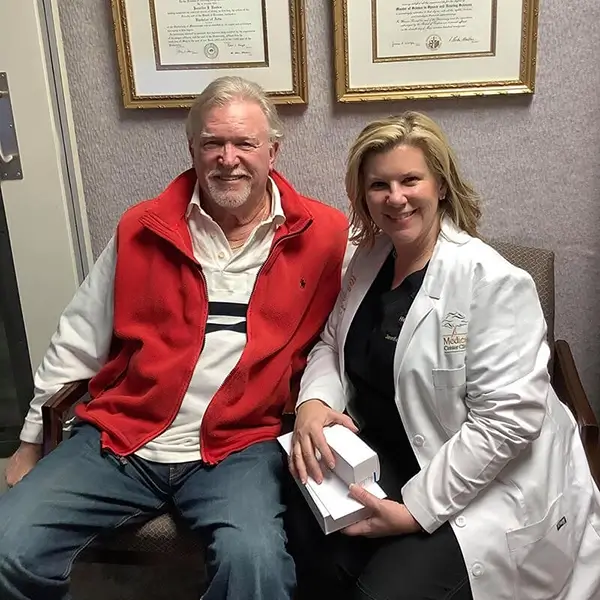
The first time I noticed signs of a hearing loss was back when I was with the Memphis Police Force on the first anti-sniper unit (SWAT) team. Shooting many rounds of guns a week led to ringing in my ears, which it seemed was the start of my hearing loss. The Hearing Center is the very best in the business. They were the most helpful in the profession that I had seen. Since getting my hearing aids, I have no regrets. I enjoy my life much more with my hearing back intact. If you are considering using The Hearing Center, expect to be impressed by the best in the hearing aid business. It’s wonderful to hear well again and I can’t thank them enough.
Bobby B.
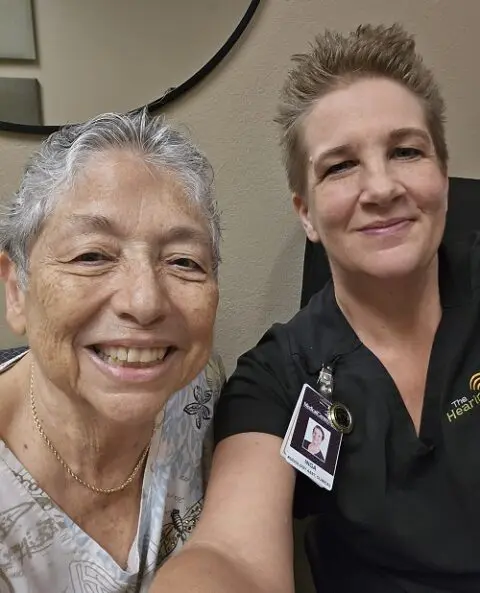
Thank you all for the help with my hearing aids. Everyone is so kind each time I come in, and I feel very well taken care of.
Karen H.
My hearing loss started when I was just 10 years old as a result of multiple ear infections. I was really struggling to hear, and as a result, I had to have a lot of ear construction to save my hearing. I was told that I would never be able to hear certain tones again. For many years, I was living in a world of isolation and I believed that there was no way that I would get all of my hearing back. I had an opinion that hearing aids were for older people. When I first approached The Hearing Center, everyone was very warm and welcoming, and it did not matter how many questions I had. They answered them and were very patient with me. They fitted me with hearing aids and the results have been life-changing. I can hear my children. They can no longer come up behind me and scare me! I feel less tired, I have more energy, and as a result, I am losing weight. Getting help with my hearing from The Hearing Center was the best thing I ever did!
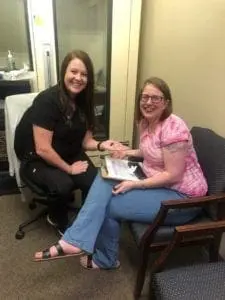
Natasha H.
I have visited many different hearing care providers over the years but none compare to the level of care I have received from Dr. LaBorde and the staff at The Hearing Center. I can honestly say they have changed my life by helping me to regain hearing clarity. I highly recommend them.
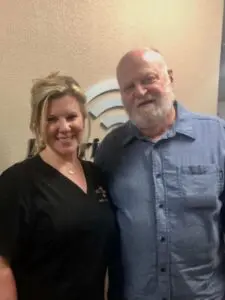
Robert S.
I first noticed my hearing loss when I was having to ask people to repeat themselves a lot. I decided to get my first hearing test and I was very impressed with the service from The Hearing Center. The people were friendly and knowledgeable. Now, I would not be able to cope without my hearing aids. I can now carry a conversation. I can highly recommend seeking help from The Hearing Center if you are struggling with a hearing loss.
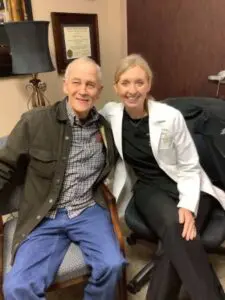
Edward C.
The first time I noticed signs of a hearing loss was back when I was with the Memphis Police Force on the first anti-sniper unit (SWAT) team. Shooting many rounds of guns a week led to ringing in my ears, which it seemed was the start of my hearing loss. The Hearing Center is the very best in the business. They were the most helpful in the profession that I had seen. Since getting my hearing aids, I have no regrets. I enjoy my life much more with my hearing back intact. If you are considering using The Hearing Center, expect to be impressed by the best in the hearing aid business. It’s wonderful to hear well again and I can’t thank them enough.
Bobby B.
Thank you all for the help with my hearing aids. Everyone is so kind each time I come in, and I feel very well taken care of.
Karen H.
My hearing loss started when I was just 10 years old as a result of multiple ear infections. I was really struggling to hear, and as a result, I had to have a lot of ear construction to save my hearing. I was told that I would never be able to hear certain tones again. For many years, I was living in a world of isolation and I believed that there was no way that I would get all of my hearing back. I had an opinion that hearing aids were for older people. When I first approached The Hearing Center, everyone was very warm and welcoming, and it did not matter how many questions I had. They answered them and were very patient with me. They fitted me with hearing aids and the results have been life-changing. I can hear my children. They can no longer come up behind me and scare me! I feel less tired, I have more energy, and as a result, I am losing weight. Getting help with my hearing from The Hearing Center was the best thing I ever did!
Natasha H.
I have visited many different hearing care providers over the years but none compare to the level of care I have received from Dr. LaBorde and the staff at The Hearing Center. I can honestly say they have changed my life by helping me to regain hearing clarity. I highly recommend them.
Robert S.
I first noticed my hearing loss when I was having to ask people to repeat themselves a lot. I decided to get my first hearing test and I was very impressed with the service from The Hearing Center. The people were friendly and knowledgeable. Now, I would not be able to cope without my hearing aids. I can now carry a conversation. I can highly recommend seeking help from The Hearing Center if you are struggling with a hearing loss.
Edward C.
The first time I noticed signs of a hearing loss was back when I was with the Memphis Police Force on the first anti-sniper unit (SWAT) team. Shooting many rounds of guns a week led to ringing in my ears, which it seemed was the start of my hearing loss. The Hearing Center is the very best in the business. They were the most helpful in the profession that I had seen. Since getting my hearing aids, I have no regrets. I enjoy my life much more with my hearing back intact. If you are considering using The Hearing Center, expect to be impressed by the best in the hearing aid business. It’s wonderful to hear well again and I can’t thank them enough.
Bobby B.
Thank you all for the help with my hearing aids. Everyone is so kind each time I come in, and I feel very well taken care of.
Karen H.
My hearing loss started when I was just 10 years old as a result of multiple ear infections. I was really struggling to hear, and as a result, I had to have a lot of ear construction to save my hearing. I was told that I would never be able to hear certain tones again. For many years, I was living in a world of isolation and I believed that there was no way that I would get all of my hearing back. I had an opinion that hearing aids were for older people. When I first approached The Hearing Center, everyone was very warm and welcoming, and it did not matter how many questions I had. They answered them and were very patient with me. They fitted me with hearing aids and the results have been life-changing. I can hear my children. They can no longer come up behind me and scare me! I feel less tired, I have more energy, and as a result, I am losing weight. Getting help with my hearing from The Hearing Center was the best thing I ever did!
Natasha H.
I have visited many different hearing care providers over the years but none compare to the level of care I have received from Dr. LaBorde and the staff at The Hearing Center. I can honestly say they have changed my life by helping me to regain hearing clarity. I highly recommend them.
Robert S.
I first noticed my hearing loss when I was having to ask people to repeat themselves a lot. I decided to get my first hearing test and I was very impressed with the service from The Hearing Center. The people were friendly and knowledgeable. Now, I would not be able to cope without my hearing aids. I can now carry a conversation. I can highly recommend seeking help from The Hearing Center if you are struggling with a hearing loss.
Edward C.
The first time I noticed signs of a hearing loss was back when I was with the Memphis Police Force on the first anti-sniper unit (SWAT) team. Shooting many rounds of guns a week led to ringing in my ears, which it seemed was the start of my hearing loss. The Hearing Center is the very best in the business. They were the most helpful in the profession that I had seen. Since getting my hearing aids, I have no regrets. I enjoy my life much more with my hearing back intact. If you are considering using The Hearing Center, expect to be impressed by the best in the hearing aid business. It’s wonderful to hear well again and I can’t thank them enough.
Bobby B.
Thank you all for the help with my hearing aids. Everyone is so kind each time I come in, and I feel very well taken care of.
Karen H.
My hearing loss started when I was just 10 years old as a result of multiple ear infections. I was really struggling to hear, and as a result, I had to have a lot of ear construction to save my hearing. I was told that I would never be able to hear certain tones again. For many years, I was living in a world of isolation and I believed that there was no way that I would get all of my hearing back. I had an opinion that hearing aids were for older people. When I first approached The Hearing Center, everyone was very warm and welcoming, and it did not matter how many questions I had. They answered them and were very patient with me. They fitted me with hearing aids and the results have been life-changing. I can hear my children. They can no longer come up behind me and scare me! I feel less tired, I have more energy, and as a result, I am losing weight. Getting help with my hearing from The Hearing Center was the best thing I ever did!
Natasha H.
I have visited many different hearing care providers over the years but none compare to the level of care I have received from Dr. LaBorde and the staff at The Hearing Center. I can honestly say they have changed my life by helping me to regain hearing clarity. I highly recommend them.
Robert S.
I first noticed my hearing loss when I was having to ask people to repeat themselves a lot. I decided to get my first hearing test and I was very impressed with the service from The Hearing Center. The people were friendly and knowledgeable. Now, I would not be able to cope without my hearing aids. I can now carry a conversation. I can highly recommend seeking help from The Hearing Center if you are struggling with a hearing loss.
Edward C.
TESTIMONIALS
Patient Stories
Hear from our patients about their experience with us
Trusted Hearing Experts in Pensacola Bay, Gulf Breeze, and the Surrounding Areas
Trusted By Tens of Thousands of Local People, Families,
and Physicians for Over 45 Years
The first time I noticed signs of a hearing loss was back when I was with the Memphis Police Force on the first anti-sniper unit (SWAT) team. Shooting many rounds of guns a week led to ringing in my ears, which it seemed was the start of my hearing loss. The Hearing Center is the very best in the business. They were the most helpful in the profession that I had seen. Since getting my hearing aids, I have no regrets. I enjoy my life much more with my hearing back intact. If you are considering using The Hearing Center, expect to be impressed by the best in the hearing aid business. It’s wonderful to hear well again and I can’t thank them enough.
Bobby B.
Thank you all for the help with my hearing aids. Everyone is so kind each time I come in, and I feel very well taken care of.
Karen H.
My hearing loss started when I was just 10 years old as a result of multiple ear infections. I was really struggling to hear, and as a result, I had to have a lot of ear construction to save my hearing. I was told that I would never be able to hear certain tones again. For many years, I was living in a world of isolation and I believed that there was no way that I would get all of my hearing back. I had an opinion that hearing aids were for older people. When I first approached The Hearing Center, everyone was very warm and welcoming, and it did not matter how many questions I had. They answered them and were very patient with me. They fitted me with hearing aids and the results have been life-changing. I can hear my children. They can no longer come up behind me and scare me! I feel less tired, I have more energy, and as a result, I am losing weight. Getting help with my hearing from The Hearing Center was the best thing I ever did!
Natasha H.
I have visited many different hearing care providers over the years but none compare to the level of care I have received from Dr. LaBorde and the staff at The Hearing Center. I can honestly say they have changed my life by helping me to regain hearing clarity. I highly recommend them.
Robert S.
I first noticed my hearing loss when I was having to ask people to repeat themselves a lot. I decided to get my first hearing test and I was very impressed with the service from The Hearing Center. The people were friendly and knowledgeable. Now, I would not be able to cope without my hearing aids. I can now carry a conversation. I can highly recommend seeking help from The Hearing Center if you are struggling with a hearing loss.
Edward C.
The first time I noticed signs of a hearing loss was back when I was with the Memphis Police Force on the first anti-sniper unit (SWAT) team. Shooting many rounds of guns a week led to ringing in my ears, which it seemed was the start of my hearing loss. The Hearing Center is the very best in the business. They were the most helpful in the profession that I had seen. Since getting my hearing aids, I have no regrets. I enjoy my life much more with my hearing back intact. If you are considering using The Hearing Center, expect to be impressed by the best in the hearing aid business. It’s wonderful to hear well again and I can’t thank them enough.
Bobby B.
Thank you all for the help with my hearing aids. Everyone is so kind each time I come in, and I feel very well taken care of.
Karen H.
My hearing loss started when I was just 10 years old as a result of multiple ear infections. I was really struggling to hear, and as a result, I had to have a lot of ear construction to save my hearing. I was told that I would never be able to hear certain tones again. For many years, I was living in a world of isolation and I believed that there was no way that I would get all of my hearing back. I had an opinion that hearing aids were for older people. When I first approached The Hearing Center, everyone was very warm and welcoming, and it did not matter how many questions I had. They answered them and were very patient with me. They fitted me with hearing aids and the results have been life-changing. I can hear my children. They can no longer come up behind me and scare me! I feel less tired, I have more energy, and as a result, I am losing weight. Getting help with my hearing from The Hearing Center was the best thing I ever did!
Natasha H.
I have visited many different hearing care providers over the years but none compare to the level of care I have received from Dr. LaBorde and the staff at The Hearing Center. I can honestly say they have changed my life by helping me to regain hearing clarity. I highly recommend them.
Robert S.
I first noticed my hearing loss when I was having to ask people to repeat themselves a lot. I decided to get my first hearing test and I was very impressed with the service from The Hearing Center. The people were friendly and knowledgeable. Now, I would not be able to cope without my hearing aids. I can now carry a conversation. I can highly recommend seeking help from The Hearing Center if you are struggling with a hearing loss.
Edward C.
The first time I noticed signs of a hearing loss was back when I was with the Memphis Police Force on the first anti-sniper unit (SWAT) team. Shooting many rounds of guns a week led to ringing in my ears, which it seemed was the start of my hearing loss. The Hearing Center is the very best in the business. They were the most helpful in the profession that I had seen. Since getting my hearing aids, I have no regrets. I enjoy my life much more with my hearing back intact. If you are considering using The Hearing Center, expect to be impressed by the best in the hearing aid business. It’s wonderful to hear well again and I can’t thank them enough.
Bobby B.
Thank you all for the help with my hearing aids. Everyone is so kind each time I come in, and I feel very well taken care of.
Karen H.
My hearing loss started when I was just 10 years old as a result of multiple ear infections. I was really struggling to hear, and as a result, I had to have a lot of ear construction to save my hearing. I was told that I would never be able to hear certain tones again. For many years, I was living in a world of isolation and I believed that there was no way that I would get all of my hearing back. I had an opinion that hearing aids were for older people. When I first approached The Hearing Center, everyone was very warm and welcoming, and it did not matter how many questions I had. They answered them and were very patient with me. They fitted me with hearing aids and the results have been life-changing. I can hear my children. They can no longer come up behind me and scare me! I feel less tired, I have more energy, and as a result, I am losing weight. Getting help with my hearing from The Hearing Center was the best thing I ever did!
Natasha H.
I have visited many different hearing care providers over the years but none compare to the level of care I have received from Dr. LaBorde and the staff at The Hearing Center. I can honestly say they have changed my life by helping me to regain hearing clarity. I highly recommend them.
Robert S.
I first noticed my hearing loss when I was having to ask people to repeat themselves a lot. I decided to get my first hearing test and I was very impressed with the service from The Hearing Center. The people were friendly and knowledgeable. Now, I would not be able to cope without my hearing aids. I can now carry a conversation. I can highly recommend seeking help from The Hearing Center if you are struggling with a hearing loss.
Edward C.
The first time I noticed signs of a hearing loss was back when I was with the Memphis Police Force on the first anti-sniper unit (SWAT) team. Shooting many rounds of guns a week led to ringing in my ears, which it seemed was the start of my hearing loss. The Hearing Center is the very best in the business. They were the most helpful in the profession that I had seen. Since getting my hearing aids, I have no regrets. I enjoy my life much more with my hearing back intact. If you are considering using The Hearing Center, expect to be impressed by the best in the hearing aid business. It’s wonderful to hear well again and I can’t thank them enough.
Bobby B.
Thank you all for the help with my hearing aids. Everyone is so kind each time I come in, and I feel very well taken care of.
Karen H.
My hearing loss started when I was just 10 years old as a result of multiple ear infections. I was really struggling to hear, and as a result, I had to have a lot of ear construction to save my hearing. I was told that I would never be able to hear certain tones again. For many years, I was living in a world of isolation and I believed that there was no way that I would get all of my hearing back. I had an opinion that hearing aids were for older people. When I first approached The Hearing Center, everyone was very warm and welcoming, and it did not matter how many questions I had. They answered them and were very patient with me. They fitted me with hearing aids and the results have been life-changing. I can hear my children. They can no longer come up behind me and scare me! I feel less tired, I have more energy, and as a result, I am losing weight. Getting help with my hearing from The Hearing Center was the best thing I ever did!
Natasha H.
I have visited many different hearing care providers over the years but none compare to the level of care I have received from Dr. LaBorde and the staff at The Hearing Center. I can honestly say they have changed my life by helping me to regain hearing clarity. I highly recommend them.
Robert S.
I first noticed my hearing loss when I was having to ask people to repeat themselves a lot. I decided to get my first hearing test and I was very impressed with the service from The Hearing Center. The people were friendly and knowledgeable. Now, I would not be able to cope without my hearing aids. I can now carry a conversation. I can highly recommend seeking help from The Hearing Center if you are struggling with a hearing loss.
Edward C.
TESTIMONIALS
Patient Stories
Hear from our patients about their experience with us
Trusted Hearing Experts in Pensacola Bay, Gulf Breeze, and the Surrounding Areas
Trusted By Tens of Thousands of Local People, Families,
and Physicians for Over 45 Years
The first time I noticed signs of a hearing loss was back when I was with the Memphis Police Force on the first anti-sniper unit (SWAT) team. Shooting many rounds of guns a week led to ringing in my ears, which it seemed was the start of my hearing loss. The Hearing Center is the very best in the business. They were the most helpful in the profession that I had seen. Since getting my hearing aids, I have no regrets. I enjoy my life much more with my hearing back intact. If you are considering using The Hearing Center, expect to be impressed by the best in the hearing aid business. It’s wonderful to hear well again and I can’t thank them enough.
Bobby B.
Thank you all for the help with my hearing aids. Everyone is so kind each time I come in, and I feel very well taken care of.
Karen H.
My hearing loss started when I was just 10 years old as a result of multiple ear infections. I was really struggling to hear, and as a result, I had to have a lot of ear construction to save my hearing. I was told that I would never be able to hear certain tones again. For many years, I was living in a world of isolation and I believed that there was no way that I would get all of my hearing back. I had an opinion that hearing aids were for older people. When I first approached The Hearing Center, everyone was very warm and welcoming, and it did not matter how many questions I had. They answered them and were very patient with me. They fitted me with hearing aids and the results have been life-changing. I can hear my children. They can no longer come up behind me and scare me! I feel less tired, I have more energy, and as a result, I am losing weight. Getting help with my hearing from The Hearing Center was the best thing I ever did!
Natasha H.
I have visited many different hearing care providers over the years but none compare to the level of care I have received from Dr. LaBorde and the staff at The Hearing Center. I can honestly say they have changed my life by helping me to regain hearing clarity. I highly recommend them.
Robert S.
I first noticed my hearing loss when I was having to ask people to repeat themselves a lot. I decided to get my first hearing test and I was very impressed with the service from The Hearing Center. The people were friendly and knowledgeable. Now, I would not be able to cope without my hearing aids. I can now carry a conversation. I can highly recommend seeking help from The Hearing Center if you are struggling with a hearing loss.
Edward C.
The first time I noticed signs of a hearing loss was back when I was with the Memphis Police Force on the first anti-sniper unit (SWAT) team. Shooting many rounds of guns a week led to ringing in my ears, which it seemed was the start of my hearing loss. The Hearing Center is the very best in the business. They were the most helpful in the profession that I had seen. Since getting my hearing aids, I have no regrets. I enjoy my life much more with my hearing back intact. If you are considering using The Hearing Center, expect to be impressed by the best in the hearing aid business. It’s wonderful to hear well again and I can’t thank them enough.
Bobby B.
Thank you all for the help with my hearing aids. Everyone is so kind each time I come in, and I feel very well taken care of.
Karen H.
My hearing loss started when I was just 10 years old as a result of multiple ear infections. I was really struggling to hear, and as a result, I had to have a lot of ear construction to save my hearing. I was told that I would never be able to hear certain tones again. For many years, I was living in a world of isolation and I believed that there was no way that I would get all of my hearing back. I had an opinion that hearing aids were for older people. When I first approached The Hearing Center, everyone was very warm and welcoming, and it did not matter how many questions I had. They answered them and were very patient with me. They fitted me with hearing aids and the results have been life-changing. I can hear my children. They can no longer come up behind me and scare me! I feel less tired, I have more energy, and as a result, I am losing weight. Getting help with my hearing from The Hearing Center was the best thing I ever did!
Natasha H.
I have visited many different hearing care providers over the years but none compare to the level of care I have received from Dr. LaBorde and the staff at The Hearing Center. I can honestly say they have changed my life by helping me to regain hearing clarity. I highly recommend them.
Robert S.
I first noticed my hearing loss when I was having to ask people to repeat themselves a lot. I decided to get my first hearing test and I was very impressed with the service from The Hearing Center. The people were friendly and knowledgeable. Now, I would not be able to cope without my hearing aids. I can now carry a conversation. I can highly recommend seeking help from The Hearing Center if you are struggling with a hearing loss.
Edward C.
The first time I noticed signs of a hearing loss was back when I was with the Memphis Police Force on the first anti-sniper unit (SWAT) team. Shooting many rounds of guns a week led to ringing in my ears, which it seemed was the start of my hearing loss. The Hearing Center is the very best in the business. They were the most helpful in the profession that I had seen. Since getting my hearing aids, I have no regrets. I enjoy my life much more with my hearing back intact. If you are considering using The Hearing Center, expect to be impressed by the best in the hearing aid business. It’s wonderful to hear well again and I can’t thank them enough.
Bobby B.
Thank you all for the help with my hearing aids. Everyone is so kind each time I come in, and I feel very well taken care of.
Karen H.
My hearing loss started when I was just 10 years old as a result of multiple ear infections. I was really struggling to hear, and as a result, I had to have a lot of ear construction to save my hearing. I was told that I would never be able to hear certain tones again. For many years, I was living in a world of isolation and I believed that there was no way that I would get all of my hearing back. I had an opinion that hearing aids were for older people. When I first approached The Hearing Center, everyone was very warm and welcoming, and it did not matter how many questions I had. They answered them and were very patient with me. They fitted me with hearing aids and the results have been life-changing. I can hear my children. They can no longer come up behind me and scare me! I feel less tired, I have more energy, and as a result, I am losing weight. Getting help with my hearing from The Hearing Center was the best thing I ever did!
Natasha H.
I have visited many different hearing care providers over the years but none compare to the level of care I have received from Dr. LaBorde and the staff at The Hearing Center. I can honestly say they have changed my life by helping me to regain hearing clarity. I highly recommend them.
Robert S.
I first noticed my hearing loss when I was having to ask people to repeat themselves a lot. I decided to get my first hearing test and I was very impressed with the service from The Hearing Center. The people were friendly and knowledgeable. Now, I would not be able to cope without my hearing aids. I can now carry a conversation. I can highly recommend seeking help from The Hearing Center if you are struggling with a hearing loss.
Edward C.
The first time I noticed signs of a hearing loss was back when I was with the Memphis Police Force on the first anti-sniper unit (SWAT) team. Shooting many rounds of guns a week led to ringing in my ears, which it seemed was the start of my hearing loss. The Hearing Center is the very best in the business. They were the most helpful in the profession that I had seen. Since getting my hearing aids, I have no regrets. I enjoy my life much more with my hearing back intact. If you are considering using The Hearing Center, expect to be impressed by the best in the hearing aid business. It’s wonderful to hear well again and I can’t thank them enough.
Bobby B.
Thank you all for the help with my hearing aids. Everyone is so kind each time I come in, and I feel very well taken care of.
Karen H.
My hearing loss started when I was just 10 years old as a result of multiple ear infections. I was really struggling to hear, and as a result, I had to have a lot of ear construction to save my hearing. I was told that I would never be able to hear certain tones again. For many years, I was living in a world of isolation and I believed that there was no way that I would get all of my hearing back. I had an opinion that hearing aids were for older people. When I first approached The Hearing Center, everyone was very warm and welcoming, and it did not matter how many questions I had. They answered them and were very patient with me. They fitted me with hearing aids and the results have been life-changing. I can hear my children. They can no longer come up behind me and scare me! I feel less tired, I have more energy, and as a result, I am losing weight. Getting help with my hearing from The Hearing Center was the best thing I ever did!
Natasha H.
I have visited many different hearing care providers over the years but none compare to the level of care I have received from Dr. LaBorde and the staff at The Hearing Center. I can honestly say they have changed my life by helping me to regain hearing clarity. I highly recommend them.
Robert S.
I first noticed my hearing loss when I was having to ask people to repeat themselves a lot. I decided to get my first hearing test and I was very impressed with the service from The Hearing Center. The people were friendly and knowledgeable. Now, I would not be able to cope without my hearing aids. I can now carry a conversation. I can highly recommend seeking help from The Hearing Center if you are struggling with a hearing loss.
Edward C.
Request a Callback
Utilize prebuilt templates and components for a professional, stunning look. Save time and focus on content with our user-friendly, customizable design solutions.
Request a Callback
Utilize prebuilt templates and components for a professional, stunning look. Save time and focus on content with our user-friendly, customizable design solutions.
Request a Callback
Utilize prebuilt templates and components for a professional, stunning look. Save time and focus on content with our user-friendly, customizable design solutions.