We Program Cochlear Implants for Patients with Profound Hearing Loss
Children and adults who gain little or no benefit from hearing aids often require a cochlear implant to facilitate or restore hearing capacity. A cochlear implant (CI) is a surgically implanted neuroprosthetic device used to produce a sense of sound to patients with profound sensorineural hearing loss.
In contrast to a hearing aid, which amplifies sound within the hearing pathway, cochlear implants bypass the damaged inner ear, transmitting sound signals using direct electrical stimulation of the auditory nerve.
The auditory nerve carries these signals to the brain for processing. A cochlear implant will not restore normal hearing, but it does provide patients with a functional rendering of sounds and speech to help facilitate some hearing and understanding.
Request a Callback
We Program Cochlear Implants for Patients with Profound Hearing Loss
Children and adults who gain little or no benefit from hearing aids often require a cochlear implant to facilitate or restore hearing capacity. A cochlear implant (CI) is a surgically implanted neuroprosthetic device used to produce a sense of sound to patients with profound sensorineural hearing loss.
In contrast to a hearing aid, which amplifies sound within the hearing pathway, cochlear implants bypass the damaged inner ear, transmitting sound signals using direct electrical stimulation of the auditory nerve.
The auditory nerve carries these signals to the brain for processing. A cochlear implant will not restore normal hearing, but it does provide patients with a functional rendering of sounds and speech to help facilitate some hearing and understanding.
Request a Callback
We Program Cochlear Implants for Patients with Profound Hearing Loss
Children and adults who gain little or no benefit from hearing aids often require a cochlear implant to facilitate or restore hearing capacity. A cochlear implant (CI) is a surgically implanted neuroprosthetic device used to produce a sense of sound to patients with profound sensorineural hearing loss.
In contrast to a hearing aid, which amplifies sound within the hearing pathway, cochlear implants bypass the damaged inner ear, transmitting sound signals using direct electrical stimulation of the auditory nerve.
The auditory nerve carries these signals to the brain for processing. A cochlear implant will not restore normal hearing, but it does provide patients with a functional rendering of sounds and speech to help facilitate some hearing and understanding.
Request a Callback
Cochlear Implant MAPping
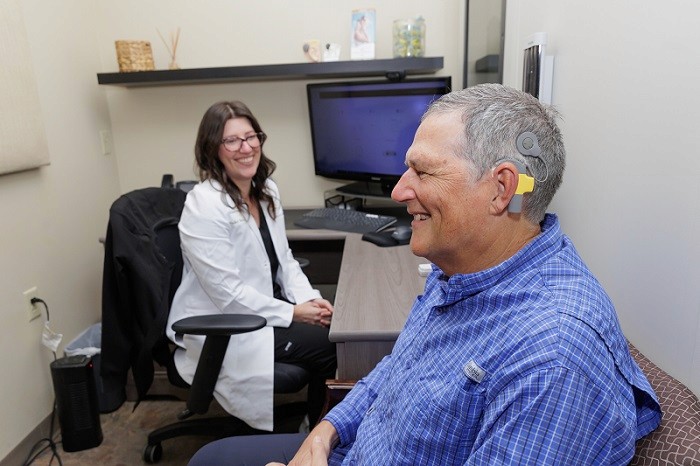
In order for a cochlear implant to function as designed, an audiologist must program it to meet the patient’s specific needs. MAPping is the term applied to the programming process. Initial MAPping includes setting up and turning on the unit after the surgical procedure. Essentially, MAPping helps to optimize the sound signals to the auditory nerve by adjusting the input to the electrodes on the implanted array.
Although different terminology, strategies, and capacities exist among the three FDA-approved models of implants, the process typically includes connection of the unit’s processor to the audiologist’s computer. Adjustments to thresholds (T-levels) to establish softest sound levels and comfortable level of loudness (C-levels) allow the patient to get the most out of the implant. Additional adjustments to stimulation rate or programming strategies can also be a part of the process.
After initial MAPping, follow-up MAPping is necessary to optimize the performance of the implant. These follow-up appointments are critical to initial stimulation and occur with greater frequency in the early stages after implanting but tend to stabilize over time and MAPping appointments become less frequent.
The Hearing Center of Medical Center Clinic performs initial and follow-up MAPping on CI devices for all three approved cochlear implant models manufactured by Cochlear Americas, Advanced Bionics, and Med-El.
Cochlear Implant MAPping
In order for a cochlear implant to function as designed, an audiologist must program it to meet the patient’s specific needs. MAPping is the term applied to the programming process. Initial MAPping includes setting up and turning on the unit after the surgical procedure. Essentially, MAPping helps to optimize the sound signals to the auditory nerve by adjusting the input to the electrodes on the implanted array.
Although different terminology, strategies, and capacities exist among the three FDA-approved models of implants, the process typically includes connection of the unit’s processor to the audiologist’s computer. Adjustments to thresholds (T-levels) to establish softest sound levels and comfortable level of loudness (C-levels) allow the patient to get the most out of the implant. Additional adjustments to stimulation rate or programming strategies can also be a part of the process.
After initial MAPping, follow-up MAPping is necessary to optimize the performance of the implant. These follow-up appointments are critical to initial stimulation and occur with greater frequency in the early stages after implanting but tend to stabilize over time and MAPping appointments become less frequent.
The Hearing Center of Medical Center Clinic performs initial and follow-up MAPping on CI devices for all three approved cochlear implant models manufactured by Cochlear Americas, Advanced Bionics, and Med-El.
Cochlear Implant MAPping
In order for a cochlear implant to function as designed, an audiologist must program it to meet the patient’s specific needs. MAPping is the term applied to the programming process. Initial MAPping includes setting up and turning on the unit after the surgical procedure. Essentially, MAPping helps to optimize the sound signals to the auditory nerve by adjusting the input to the electrodes on the implanted array.
Although different terminology, strategies, and capacities exist among the three FDA-approved models of implants, the process typically includes connection of the unit’s processor to the audiologist’s computer. Adjustments to thresholds (T-levels) to establish softest sound levels and comfortable level of loudness (C-levels) allow the patient to get the most out of the implant. Additional adjustments to stimulation rate or programming strategies can also be a part of the process.
After initial MAPping, follow-up MAPping is necessary to optimize the performance of the implant. These follow-up appointments are critical to initial stimulation and occur with greater frequency in the early stages after implanting but tend to stabilize over time and MAPping appointments become less frequent.
The Hearing Center of Medical Center Clinic performs initial and follow-up MAPping on CI devices for all three approved cochlear implant models manufactured by Cochlear Americas, Advanced Bionics, and Med-El.
TESTIMONIALS
What Our Patients Say About Custom Hearing Protection
Hear from our patients about their experience with us
Trusted Hearing Experts in Pensacola Bay, Gulf Breeze, and the Surrounding Areas
Trusted By Tens of Thousands of Local People, Families,
and Physicians for Over 45 Years
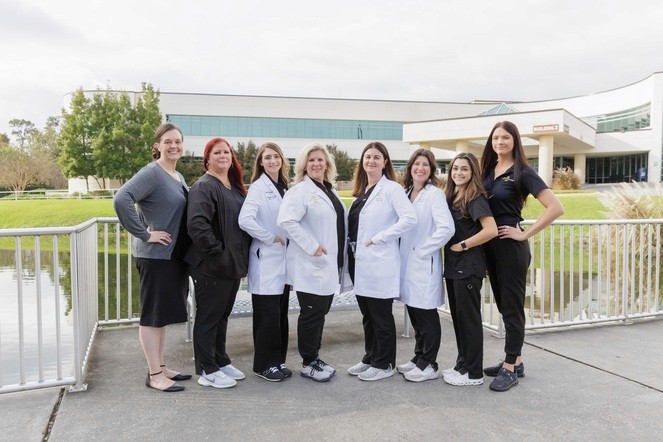
Trusted Hearing Experts in Pensacola Bay, Gulf Breeze, and the Surrounding Areas
Trusted By Tens of Thousands of Local People, Families,
and Physicians for Over 45 Years
Trusted Hearing Experts in Pensacola Bay, Gulf Breeze, and the Surrounding Areas
Trusted By Tens of Thousands of Local People, Families,
and Physicians for Over 45 Years
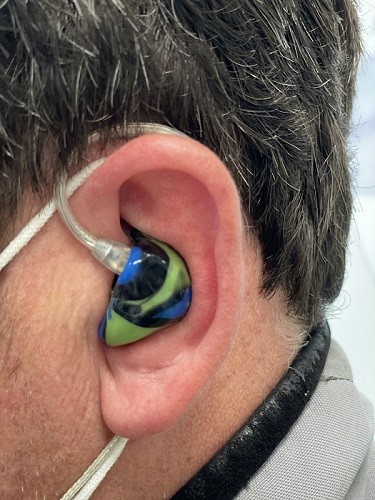
“I’ve been a musician since my early teens, and I was always disappointed in the sound quality from earphones and earbuds, especially those from the ’90s and early 2000s. I thought in-ear monitors were for the elite musicians, but when I went to visit my audiologist and we discussed the benefits of in-ear monitors, particularly with sound reproduction, noise attenuation, and pure listening enjoyment, I decided to take the plunge and have never looked back!
“The Hearing Center is friendly, knowledgeable, and very accommodating, and Dr. Parson made me feel like her only patient. I really felt like I had personalized care with her and the team.
“My in-ear monitors have changed the way I listen to my music. The ability to listen to music free of outside noise with minimized volume damage, as well as the sheer quality of sound reproduction, is amazing, especially if you have already experienced some hearing loss.
“I highly recommend The Hearing Center for anyone with hearing care needs or an interest in in-ear monitor technology; my experience was incredibly helpful and personalized to my needs.”
Alan H
Alan H
Patient
Interested in Learning How New Hearing Technology with Tele-Health Compatibility Works?
Complete this form to learn about the latest hearing technology that is ‘tele audiology’ enabled and how you can seamlessly upgrade your existing technology
Interested in Learning How New Hearing Technology with Tele-Health Compatibility Works?
Complete this form to learn about the latest hearing technology that is ‘tele audiology’ enabled and how you can seamlessly upgrade your existing technology
Interested in Learning How New Hearing Technology with Tele-Health Compatibility Works?
Complete this form to learn about the latest hearing technology that is ‘tele audiology’ enabled and how you can seamlessly upgrade your existing technology
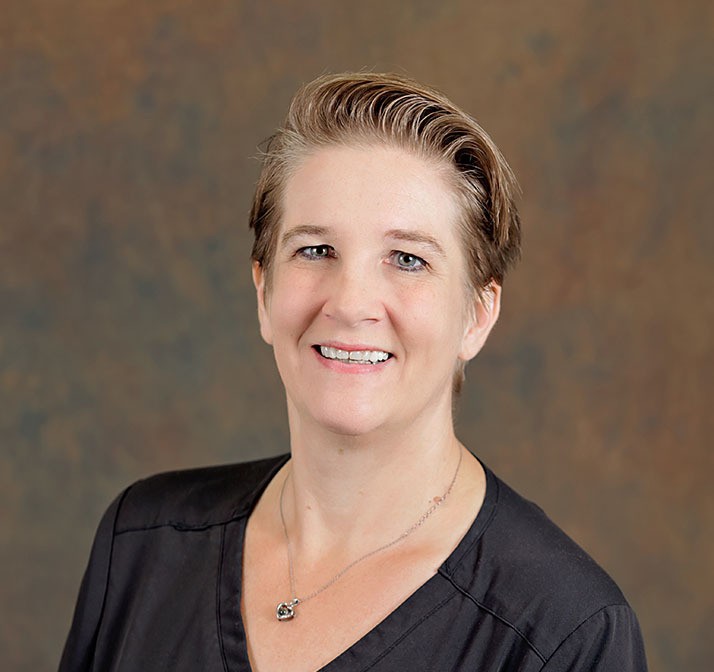
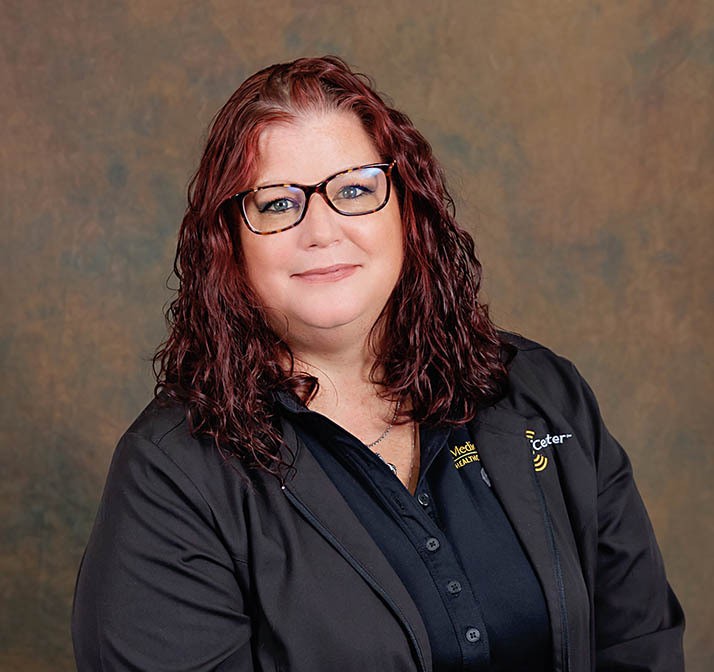
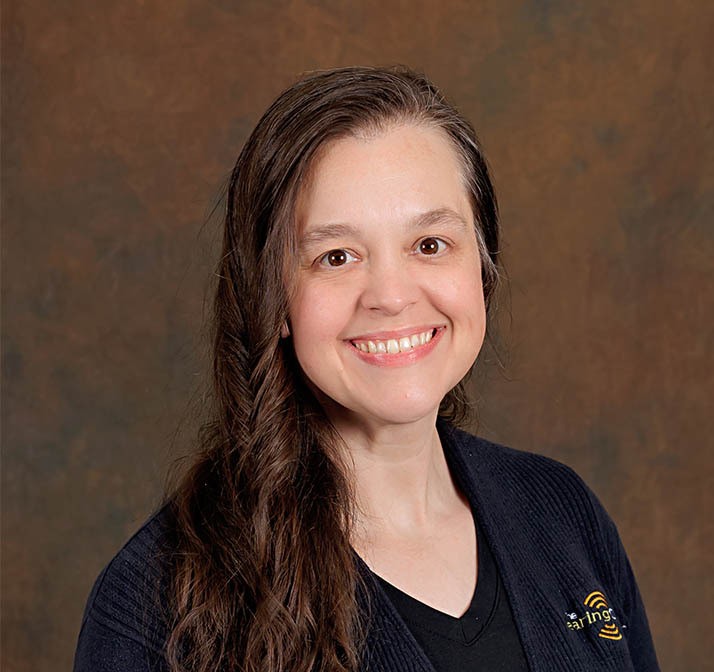
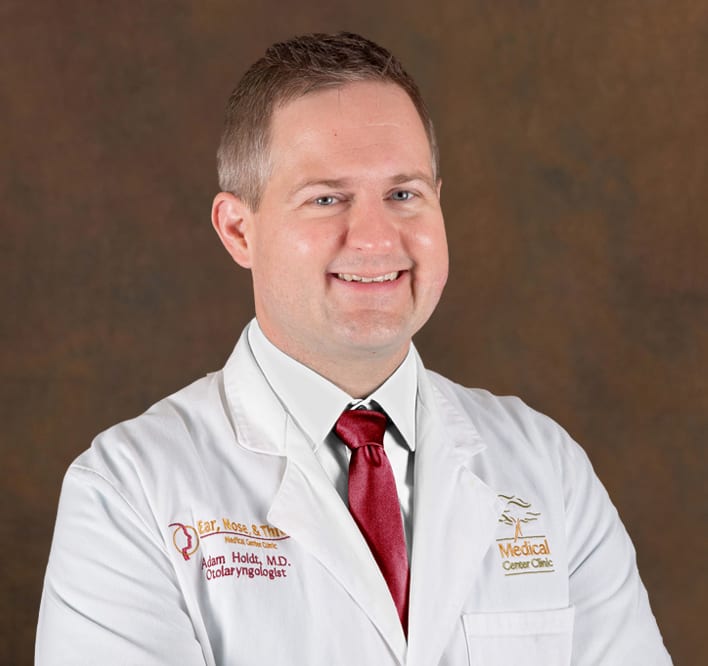
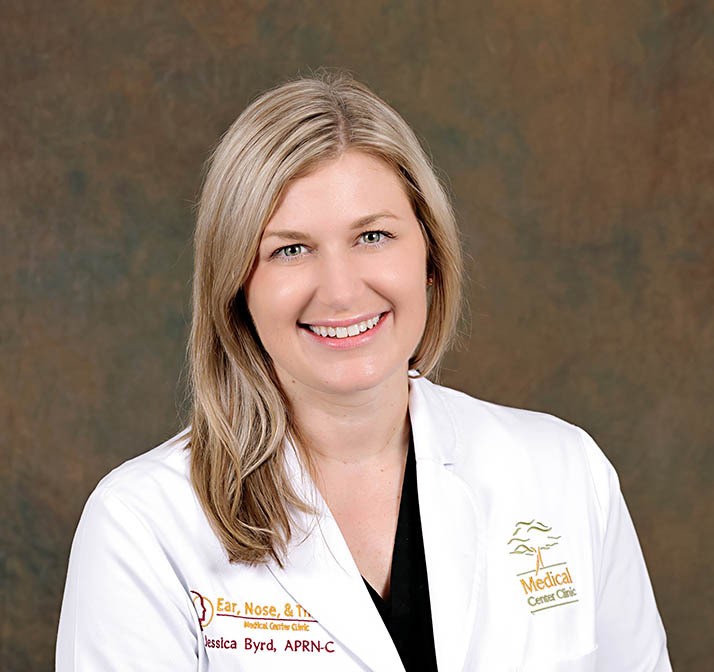
OUR TEAM
Meet The Team
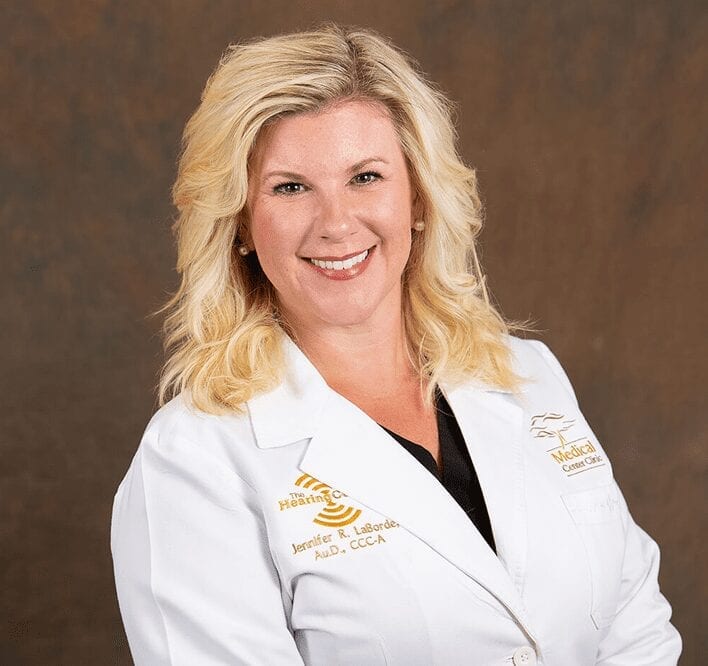
Our expert team of friendly hearing professionals
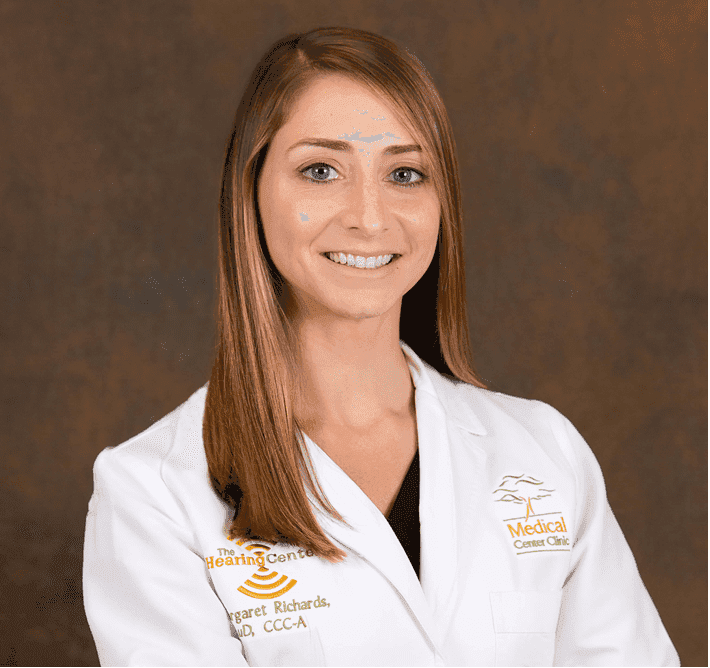
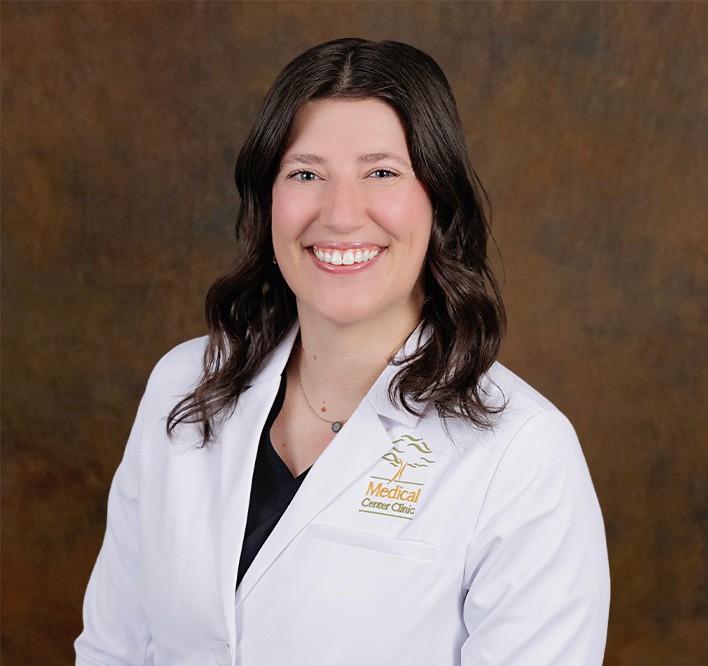
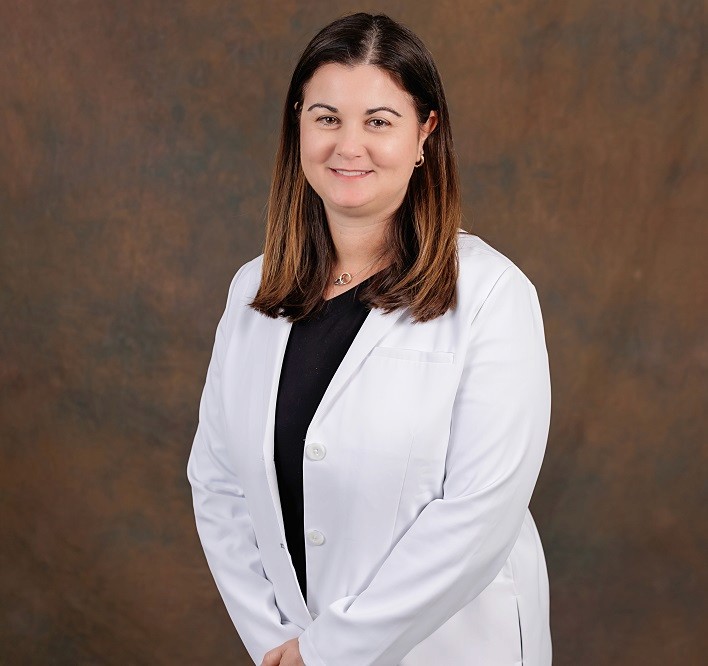
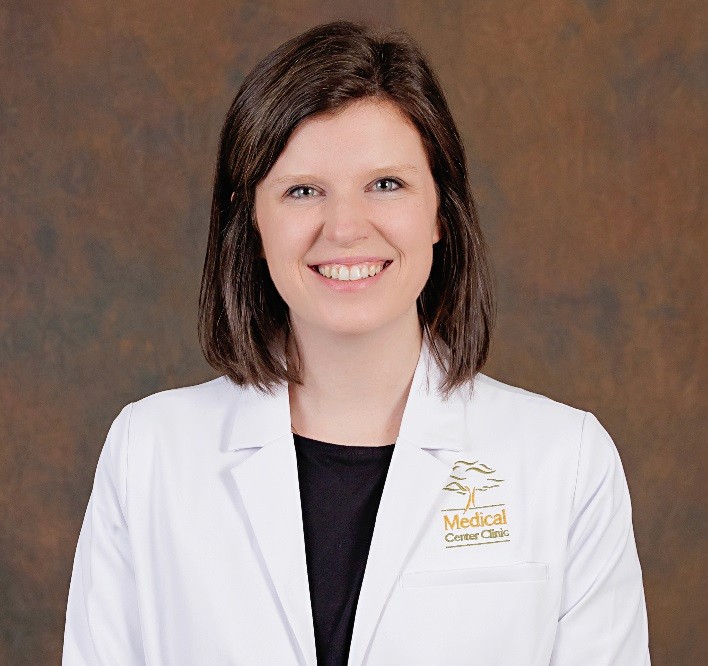


OUR TEAM
Meet The Team
Our expert team of friendly hearing professionals
OUR TEAM
Meet The Team
Our expert team of friendly hearing professionals
BLOGS
Patient Resources
Our latest hearing health blogs, articles & resources
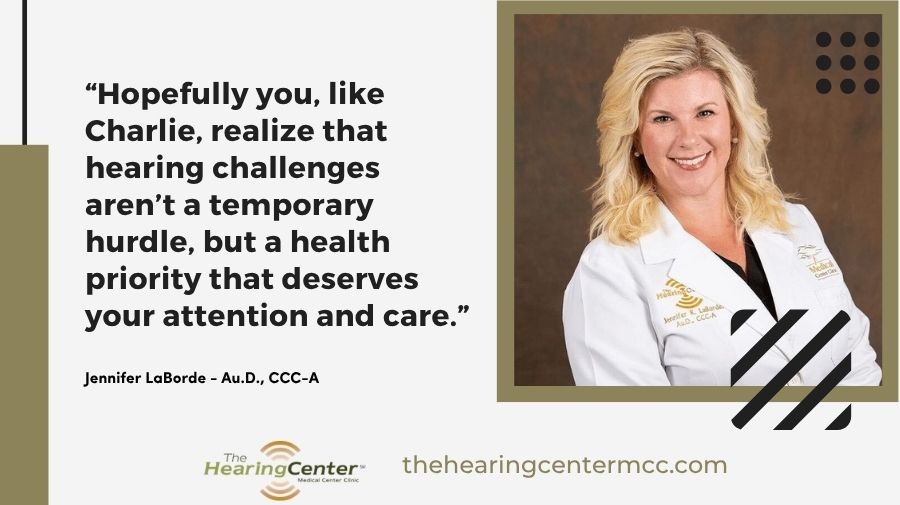
Taking that first step, as Charlie did, means putting your well-being first.
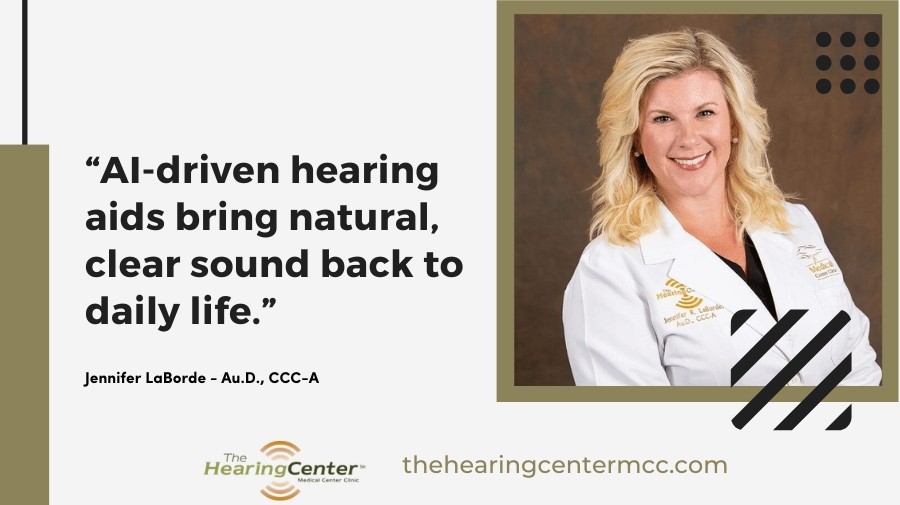
AI hearing aids make conversations, TV, and daily sounds clearer and easier.
BLOGS
Patient Resources
Our latest hearing health blogs, articles & resources
Taking that first step, as Charlie did, means putting your well-being first.
AI hearing aids make conversations, TV, and daily sounds clearer and easier.
BLOGS
Patient Resources
Our latest hearing health blogs, articles & resources
Taking that first step, as Charlie did, means putting your well-being first.
AI hearing aids make conversations, TV, and daily sounds clearer and easier.