How Do I Know if I Have Hearing Loss?
How Do I Know if I Have Hearing Loss?
How Do I Know if I Have Hearing Loss?
How Do I Know if I Have Hearing Loss?
Oct 12, 2021
The National Institute of Health (NIH) notes that 15% (37.5 million) of adults in America report some type of trouble with their hearing.
Treating this growing problem improves mental and physical health as well as enhancing the quality of life for hearing loss sufferers and their families.
Intervention is easy and painless, but identifying hearing loss is difficult because it occurs gradually over time. As part of my commitment to better hearing in the Pensacola community, I have compiled a list of early indicators or warning signs of hearing loss and the steps you should take if you are experiencing them.
What are the Warning Signs of Hearing Loss?
Because hearing loss comes on gradually, the person experiencing it has to pay attention to the people around him or her, and the changes in interaction.
Some of the warning signs associated with hearing loss include:
Muffled Speech and Sounds
Difficulty Understanding Speech with Background Noise
Issues with Distinguishing Consonants (Ns from Ms or Ts from Ps)
Asking Others to Speak Slower, Clearer, or Louder With Greater Frequency
Others Complain that the Volume on the TV or Radio Is Too Loud
Withdrawing from Social Activities or Conversations
Exhaustion from Social Settings
Telephone Conversations Become Difficult to Understand
Tinnitus, or Ringing in Your Ears
An Increase in Headaches and/or Fatigue
Difficulty Understanding Women and Children or Hearing Higher Frequency Sounds
Complaints from Others That You Are Shouting
What You Should Do If You Have these Signs or Symptoms
Untreated hearing loss, according to Hear It, can lead to more serious health problems, which might include anxiety, isolation, and depression, as well as contribute to heart disease, dementia, and increased damage to your hearing.
To prevent these additional health concerns from becoming serious issues, you should schedule a hearing exam as soon as possible if you exhibit any, several, or all of the signs or symptoms in the list above.
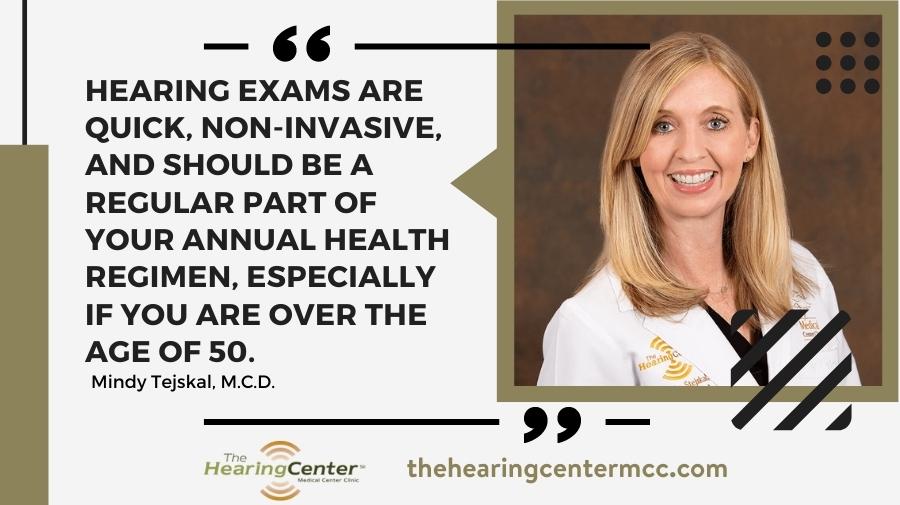
Hearing exams are quick, non-invasive, and should be a regular part of your annual health regimen, especially if you are over the age of 50.
What Takes Place During a Hearing Test
A hearing test usually starts with a friendly discussion about your medical and family history, medications you are taking, your occupation, and lifestyle. We will also talk about various situations and circumstances when you experience difficulty hearing.
A physical examination of your ears, looking for blockages due to earwax, swelling, or growths in the ear canal, follows our discussion.
After my physical examination of your ears, I will conduct another test using headphones and the transmission of sounds at various frequencies and volume levels to establish what sounds you can and cannot hear.
Some cases require additional tests, none of which are painful or difficult. Following my evaluation, we will review the results of your tests together. If you need treatment, we will also discuss treatment options, which can but do not always include hearing aids.
Treatment Benefits
Hearing loss comes on slowly, so you might not notice it early on. Although persons over the age of 60 have a higher risk of developing a hearing loss, under certain conditions, hearing loss can affect individuals of all ages.
Your best bet, especially if you are noticing warning signs of hearing loss, is to schedule a hearing assessment with The Hearing Center of Medical Center Clinic so that we can establish a baseline for future evaluation of your hearing.
The sooner we can diagnose it, the sooner we can stop any additional damage, provide better hearing, and help you to maintain your active lifestyle without missing a step. Contact us to schedule a hearing evaluation at The Hearing Center today.
Search
Request a Callback
How Do I Know if I Have Hearing Loss?
Oct 12, 2021
The National Institute of Health (NIH) notes that 15% (37.5 million) of adults in America report some type of trouble with their hearing.
Treating this growing problem improves mental and physical health as well as enhancing the quality of life for hearing loss sufferers and their families.
Intervention is easy and painless, but identifying hearing loss is difficult because it occurs gradually over time. As part of my commitment to better hearing in the Pensacola community, I have compiled a list of early indicators or warning signs of hearing loss and the steps you should take if you are experiencing them.
What are the Warning Signs of Hearing Loss?
Because hearing loss comes on gradually, the person experiencing it has to pay attention to the people around him or her, and the changes in interaction.
Some of the warning signs associated with hearing loss include:
Muffled Speech and Sounds
Difficulty Understanding Speech with Background Noise
Issues with Distinguishing Consonants (Ns from Ms or Ts from Ps)
Asking Others to Speak Slower, Clearer, or Louder With Greater Frequency
Others Complain that the Volume on the TV or Radio Is Too Loud
Withdrawing from Social Activities or Conversations
Exhaustion from Social Settings
Telephone Conversations Become Difficult to Understand
Tinnitus, or Ringing in Your Ears
An Increase in Headaches and/or Fatigue
Difficulty Understanding Women and Children or Hearing Higher Frequency Sounds
Complaints from Others That You Are Shouting
What You Should Do If You Have these Signs or Symptoms
Untreated hearing loss, according to Hear It, can lead to more serious health problems, which might include anxiety, isolation, and depression, as well as contribute to heart disease, dementia, and increased damage to your hearing.
To prevent these additional health concerns from becoming serious issues, you should schedule a hearing exam as soon as possible if you exhibit any, several, or all of the signs or symptoms in the list above.
Hearing exams are quick, non-invasive, and should be a regular part of your annual health regimen, especially if you are over the age of 50.
What Takes Place During a Hearing Test
A hearing test usually starts with a friendly discussion about your medical and family history, medications you are taking, your occupation, and lifestyle. We will also talk about various situations and circumstances when you experience difficulty hearing.
A physical examination of your ears, looking for blockages due to earwax, swelling, or growths in the ear canal, follows our discussion.
After my physical examination of your ears, I will conduct another test using headphones and the transmission of sounds at various frequencies and volume levels to establish what sounds you can and cannot hear.
Some cases require additional tests, none of which are painful or difficult. Following my evaluation, we will review the results of your tests together. If you need treatment, we will also discuss treatment options, which can but do not always include hearing aids.
Treatment Benefits
Hearing loss comes on slowly, so you might not notice it early on. Although persons over the age of 60 have a higher risk of developing a hearing loss, under certain conditions, hearing loss can affect individuals of all ages.
Your best bet, especially if you are noticing warning signs of hearing loss, is to schedule a hearing assessment with The Hearing Center of Medical Center Clinic so that we can establish a baseline for future evaluation of your hearing.
The sooner we can diagnose it, the sooner we can stop any additional damage, provide better hearing, and help you to maintain your active lifestyle without missing a step. Contact us to schedule a hearing evaluation at The Hearing Center today.
Search
Request a Callback
How Do I Know if I Have Hearing Loss?
Oct 12, 2021
The National Institute of Health (NIH) notes that 15% (37.5 million) of adults in America report some type of trouble with their hearing.
Treating this growing problem improves mental and physical health as well as enhancing the quality of life for hearing loss sufferers and their families.
Intervention is easy and painless, but identifying hearing loss is difficult because it occurs gradually over time. As part of my commitment to better hearing in the Pensacola community, I have compiled a list of early indicators or warning signs of hearing loss and the steps you should take if you are experiencing them.
What are the Warning Signs of Hearing Loss?
Because hearing loss comes on gradually, the person experiencing it has to pay attention to the people around him or her, and the changes in interaction.
Some of the warning signs associated with hearing loss include:
Muffled Speech and Sounds
Difficulty Understanding Speech with Background Noise
Issues with Distinguishing Consonants (Ns from Ms or Ts from Ps)
Asking Others to Speak Slower, Clearer, or Louder With Greater Frequency
Others Complain that the Volume on the TV or Radio Is Too Loud
Withdrawing from Social Activities or Conversations
Exhaustion from Social Settings
Telephone Conversations Become Difficult to Understand
Tinnitus, or Ringing in Your Ears
An Increase in Headaches and/or Fatigue
Difficulty Understanding Women and Children or Hearing Higher Frequency Sounds
Complaints from Others That You Are Shouting
What You Should Do If You Have these Signs or Symptoms
Untreated hearing loss, according to Hear It, can lead to more serious health problems, which might include anxiety, isolation, and depression, as well as contribute to heart disease, dementia, and increased damage to your hearing.
To prevent these additional health concerns from becoming serious issues, you should schedule a hearing exam as soon as possible if you exhibit any, several, or all of the signs or symptoms in the list above.
Hearing exams are quick, non-invasive, and should be a regular part of your annual health regimen, especially if you are over the age of 50.
What Takes Place During a Hearing Test
A hearing test usually starts with a friendly discussion about your medical and family history, medications you are taking, your occupation, and lifestyle. We will also talk about various situations and circumstances when you experience difficulty hearing.
A physical examination of your ears, looking for blockages due to earwax, swelling, or growths in the ear canal, follows our discussion.
After my physical examination of your ears, I will conduct another test using headphones and the transmission of sounds at various frequencies and volume levels to establish what sounds you can and cannot hear.
Some cases require additional tests, none of which are painful or difficult. Following my evaluation, we will review the results of your tests together. If you need treatment, we will also discuss treatment options, which can but do not always include hearing aids.
Treatment Benefits
Hearing loss comes on slowly, so you might not notice it early on. Although persons over the age of 60 have a higher risk of developing a hearing loss, under certain conditions, hearing loss can affect individuals of all ages.
Your best bet, especially if you are noticing warning signs of hearing loss, is to schedule a hearing assessment with The Hearing Center of Medical Center Clinic so that we can establish a baseline for future evaluation of your hearing.
The sooner we can diagnose it, the sooner we can stop any additional damage, provide better hearing, and help you to maintain your active lifestyle without missing a step. Contact us to schedule a hearing evaluation at The Hearing Center today.
Search
Request a Callback
TESTIMONIALS
Patient Stories
Hear from our patients about their experience with us
Trusted Hearing Experts in Pensacola Bay, Gulf Breeze, and the Surrounding Areas
Trusted By Tens of Thousands of Local People, Families,
and Physicians for Over 45 Years
The first time I noticed signs of a hearing loss was back when I was with the Memphis Police Force on the first anti-sniper unit (SWAT) team. Shooting many rounds of guns a week led to ringing in my ears, which it seemed was the start of my hearing loss. The Hearing Center is the very best in the business. They were the most helpful in the profession that I had seen. Since getting my hearing aids, I have no regrets. I enjoy my life much more with my hearing back intact. If you are considering using The Hearing Center, expect to be impressed by the best in the hearing aid business. It’s wonderful to hear well again and I can’t thank them enough.
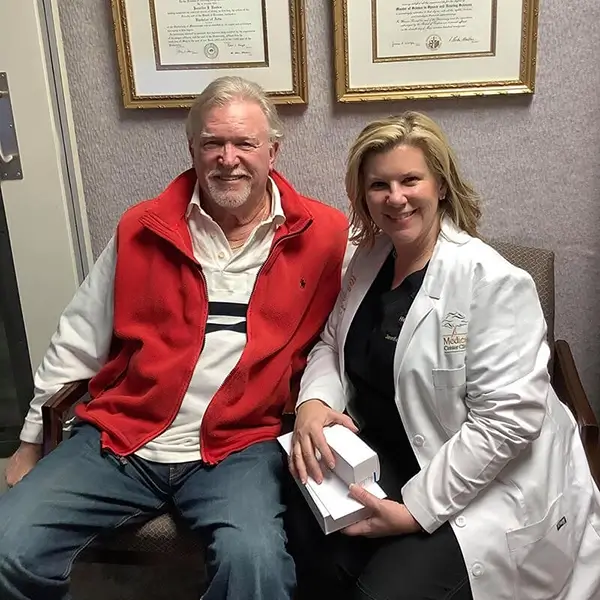
Bobby B.
Thank you all for the help with my hearing aids. Everyone is so kind each time I come in, and I feel very well taken care of.
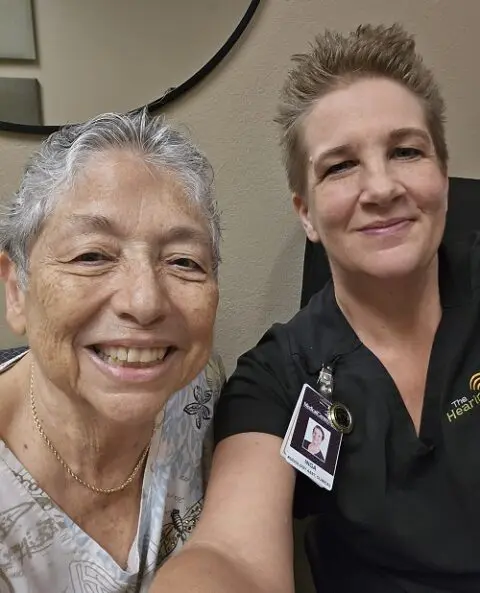
Karen H.
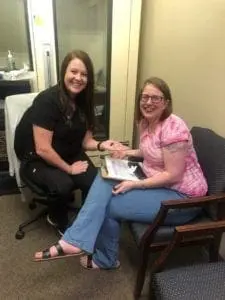
My hearing loss started when I was just 10 years old as a result of multiple ear infections. I was really struggling to hear, and as a result, I had to have a lot of ear construction to save my hearing. I was told that I would never be able to hear certain tones again. For many years, I was living in a world of isolation and I believed that there was no way that I would get all of my hearing back. I had an opinion that hearing aids were for older people. When I first approached The Hearing Center, everyone was very warm and welcoming, and it did not matter how many questions I had. They answered them and were very patient with me. They fitted me with hearing aids and the results have been life-changing. I can hear my children. They can no longer come up behind me and scare me! I feel less tired, I have more energy, and as a result, I am losing weight. Getting help with my hearing from The Hearing Center was the best thing I ever did!
Natasha H.
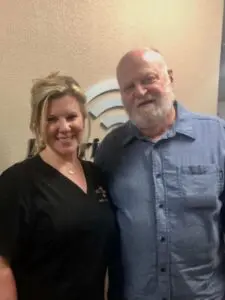
I have visited many different hearing care providers over the years but none compare to the level of care I have received from Dr. LaBorde and the staff at The Hearing Center. I can honestly say they have changed my life by helping me to regain hearing clarity. I highly recommend them.
Robert S.
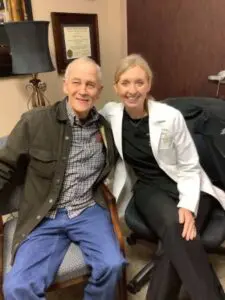
I first noticed my hearing loss when I was having to ask people to repeat themselves a lot. I decided to get my first hearing test and I was very impressed with the service from The Hearing Center. The people were friendly and knowledgeable. Now, I would not be able to cope without my hearing aids. I can now carry a conversation. I can highly recommend seeking help from The Hearing Center if you are struggling with a hearing loss.
Edward C.
The first time I noticed signs of a hearing loss was back when I was with the Memphis Police Force on the first anti-sniper unit (SWAT) team. Shooting many rounds of guns a week led to ringing in my ears, which it seemed was the start of my hearing loss. The Hearing Center is the very best in the business. They were the most helpful in the profession that I had seen. Since getting my hearing aids, I have no regrets. I enjoy my life much more with my hearing back intact. If you are considering using The Hearing Center, expect to be impressed by the best in the hearing aid business. It’s wonderful to hear well again and I can’t thank them enough.
Bobby B.
Thank you all for the help with my hearing aids. Everyone is so kind each time I come in, and I feel very well taken care of.
Karen H.
My hearing loss started when I was just 10 years old as a result of multiple ear infections. I was really struggling to hear, and as a result, I had to have a lot of ear construction to save my hearing. I was told that I would never be able to hear certain tones again. For many years, I was living in a world of isolation and I believed that there was no way that I would get all of my hearing back. I had an opinion that hearing aids were for older people. When I first approached The Hearing Center, everyone was very warm and welcoming, and it did not matter how many questions I had. They answered them and were very patient with me. They fitted me with hearing aids and the results have been life-changing. I can hear my children. They can no longer come up behind me and scare me! I feel less tired, I have more energy, and as a result, I am losing weight. Getting help with my hearing from The Hearing Center was the best thing I ever did!
Natasha H.
I have visited many different hearing care providers over the years but none compare to the level of care I have received from Dr. LaBorde and the staff at The Hearing Center. I can honestly say they have changed my life by helping me to regain hearing clarity. I highly recommend them.
Robert S.
I first noticed my hearing loss when I was having to ask people to repeat themselves a lot. I decided to get my first hearing test and I was very impressed with the service from The Hearing Center. The people were friendly and knowledgeable. Now, I would not be able to cope without my hearing aids. I can now carry a conversation. I can highly recommend seeking help from The Hearing Center if you are struggling with a hearing loss.
Edward C.
The first time I noticed signs of a hearing loss was back when I was with the Memphis Police Force on the first anti-sniper unit (SWAT) team. Shooting many rounds of guns a week led to ringing in my ears, which it seemed was the start of my hearing loss. The Hearing Center is the very best in the business. They were the most helpful in the profession that I had seen. Since getting my hearing aids, I have no regrets. I enjoy my life much more with my hearing back intact. If you are considering using The Hearing Center, expect to be impressed by the best in the hearing aid business. It’s wonderful to hear well again and I can’t thank them enough.
Bobby B.
Thank you all for the help with my hearing aids. Everyone is so kind each time I come in, and I feel very well taken care of.
Karen H.
My hearing loss started when I was just 10 years old as a result of multiple ear infections. I was really struggling to hear, and as a result, I had to have a lot of ear construction to save my hearing. I was told that I would never be able to hear certain tones again. For many years, I was living in a world of isolation and I believed that there was no way that I would get all of my hearing back. I had an opinion that hearing aids were for older people. When I first approached The Hearing Center, everyone was very warm and welcoming, and it did not matter how many questions I had. They answered them and were very patient with me. They fitted me with hearing aids and the results have been life-changing. I can hear my children. They can no longer come up behind me and scare me! I feel less tired, I have more energy, and as a result, I am losing weight. Getting help with my hearing from The Hearing Center was the best thing I ever did!
Natasha H.
I have visited many different hearing care providers over the years but none compare to the level of care I have received from Dr. LaBorde and the staff at The Hearing Center. I can honestly say they have changed my life by helping me to regain hearing clarity. I highly recommend them.
Robert S.
I first noticed my hearing loss when I was having to ask people to repeat themselves a lot. I decided to get my first hearing test and I was very impressed with the service from The Hearing Center. The people were friendly and knowledgeable. Now, I would not be able to cope without my hearing aids. I can now carry a conversation. I can highly recommend seeking help from The Hearing Center if you are struggling with a hearing loss.
Edward C.
The first time I noticed signs of a hearing loss was back when I was with the Memphis Police Force on the first anti-sniper unit (SWAT) team. Shooting many rounds of guns a week led to ringing in my ears, which it seemed was the start of my hearing loss. The Hearing Center is the very best in the business. They were the most helpful in the profession that I had seen. Since getting my hearing aids, I have no regrets. I enjoy my life much more with my hearing back intact. If you are considering using The Hearing Center, expect to be impressed by the best in the hearing aid business. It’s wonderful to hear well again and I can’t thank them enough.
Bobby B.
Thank you all for the help with my hearing aids. Everyone is so kind each time I come in, and I feel very well taken care of.
Karen H.
My hearing loss started when I was just 10 years old as a result of multiple ear infections. I was really struggling to hear, and as a result, I had to have a lot of ear construction to save my hearing. I was told that I would never be able to hear certain tones again. For many years, I was living in a world of isolation and I believed that there was no way that I would get all of my hearing back. I had an opinion that hearing aids were for older people. When I first approached The Hearing Center, everyone was very warm and welcoming, and it did not matter how many questions I had. They answered them and were very patient with me. They fitted me with hearing aids and the results have been life-changing. I can hear my children. They can no longer come up behind me and scare me! I feel less tired, I have more energy, and as a result, I am losing weight. Getting help with my hearing from The Hearing Center was the best thing I ever did!
Natasha H.
I have visited many different hearing care providers over the years but none compare to the level of care I have received from Dr. LaBorde and the staff at The Hearing Center. I can honestly say they have changed my life by helping me to regain hearing clarity. I highly recommend them.
Robert S.
I first noticed my hearing loss when I was having to ask people to repeat themselves a lot. I decided to get my first hearing test and I was very impressed with the service from The Hearing Center. The people were friendly and knowledgeable. Now, I would not be able to cope without my hearing aids. I can now carry a conversation. I can highly recommend seeking help from The Hearing Center if you are struggling with a hearing loss.
Edward C.
TESTIMONIALS
Patient Stories
Hear from our patients about their experience with us
Trusted Hearing Experts in Pensacola Bay, Gulf Breeze, and the Surrounding Areas
Trusted By Tens of Thousands of Local People, Families,
and Physicians for Over 45 Years
The first time I noticed signs of a hearing loss was back when I was with the Memphis Police Force on the first anti-sniper unit (SWAT) team. Shooting many rounds of guns a week led to ringing in my ears, which it seemed was the start of my hearing loss. The Hearing Center is the very best in the business. They were the most helpful in the profession that I had seen. Since getting my hearing aids, I have no regrets. I enjoy my life much more with my hearing back intact. If you are considering using The Hearing Center, expect to be impressed by the best in the hearing aid business. It’s wonderful to hear well again and I can’t thank them enough.
Bobby B.
Thank you all for the help with my hearing aids. Everyone is so kind each time I come in, and I feel very well taken care of.
Karen H.
My hearing loss started when I was just 10 years old as a result of multiple ear infections. I was really struggling to hear, and as a result, I had to have a lot of ear construction to save my hearing. I was told that I would never be able to hear certain tones again. For many years, I was living in a world of isolation and I believed that there was no way that I would get all of my hearing back. I had an opinion that hearing aids were for older people. When I first approached The Hearing Center, everyone was very warm and welcoming, and it did not matter how many questions I had. They answered them and were very patient with me. They fitted me with hearing aids and the results have been life-changing. I can hear my children. They can no longer come up behind me and scare me! I feel less tired, I have more energy, and as a result, I am losing weight. Getting help with my hearing from The Hearing Center was the best thing I ever did!
Natasha H.
I have visited many different hearing care providers over the years but none compare to the level of care I have received from Dr. LaBorde and the staff at The Hearing Center. I can honestly say they have changed my life by helping me to regain hearing clarity. I highly recommend them.
Robert S.
I first noticed my hearing loss when I was having to ask people to repeat themselves a lot. I decided to get my first hearing test and I was very impressed with the service from The Hearing Center. The people were friendly and knowledgeable. Now, I would not be able to cope without my hearing aids. I can now carry a conversation. I can highly recommend seeking help from The Hearing Center if you are struggling with a hearing loss.
Edward C.
The first time I noticed signs of a hearing loss was back when I was with the Memphis Police Force on the first anti-sniper unit (SWAT) team. Shooting many rounds of guns a week led to ringing in my ears, which it seemed was the start of my hearing loss. The Hearing Center is the very best in the business. They were the most helpful in the profession that I had seen. Since getting my hearing aids, I have no regrets. I enjoy my life much more with my hearing back intact. If you are considering using The Hearing Center, expect to be impressed by the best in the hearing aid business. It’s wonderful to hear well again and I can’t thank them enough.
Bobby B.
Thank you all for the help with my hearing aids. Everyone is so kind each time I come in, and I feel very well taken care of.
Karen H.
My hearing loss started when I was just 10 years old as a result of multiple ear infections. I was really struggling to hear, and as a result, I had to have a lot of ear construction to save my hearing. I was told that I would never be able to hear certain tones again. For many years, I was living in a world of isolation and I believed that there was no way that I would get all of my hearing back. I had an opinion that hearing aids were for older people. When I first approached The Hearing Center, everyone was very warm and welcoming, and it did not matter how many questions I had. They answered them and were very patient with me. They fitted me with hearing aids and the results have been life-changing. I can hear my children. They can no longer come up behind me and scare me! I feel less tired, I have more energy, and as a result, I am losing weight. Getting help with my hearing from The Hearing Center was the best thing I ever did!
Natasha H.
I have visited many different hearing care providers over the years but none compare to the level of care I have received from Dr. LaBorde and the staff at The Hearing Center. I can honestly say they have changed my life by helping me to regain hearing clarity. I highly recommend them.
Robert S.
I first noticed my hearing loss when I was having to ask people to repeat themselves a lot. I decided to get my first hearing test and I was very impressed with the service from The Hearing Center. The people were friendly and knowledgeable. Now, I would not be able to cope without my hearing aids. I can now carry a conversation. I can highly recommend seeking help from The Hearing Center if you are struggling with a hearing loss.
Edward C.
The first time I noticed signs of a hearing loss was back when I was with the Memphis Police Force on the first anti-sniper unit (SWAT) team. Shooting many rounds of guns a week led to ringing in my ears, which it seemed was the start of my hearing loss. The Hearing Center is the very best in the business. They were the most helpful in the profession that I had seen. Since getting my hearing aids, I have no regrets. I enjoy my life much more with my hearing back intact. If you are considering using The Hearing Center, expect to be impressed by the best in the hearing aid business. It’s wonderful to hear well again and I can’t thank them enough.
Bobby B.
Thank you all for the help with my hearing aids. Everyone is so kind each time I come in, and I feel very well taken care of.
Karen H.
My hearing loss started when I was just 10 years old as a result of multiple ear infections. I was really struggling to hear, and as a result, I had to have a lot of ear construction to save my hearing. I was told that I would never be able to hear certain tones again. For many years, I was living in a world of isolation and I believed that there was no way that I would get all of my hearing back. I had an opinion that hearing aids were for older people. When I first approached The Hearing Center, everyone was very warm and welcoming, and it did not matter how many questions I had. They answered them and were very patient with me. They fitted me with hearing aids and the results have been life-changing. I can hear my children. They can no longer come up behind me and scare me! I feel less tired, I have more energy, and as a result, I am losing weight. Getting help with my hearing from The Hearing Center was the best thing I ever did!
Natasha H.
I have visited many different hearing care providers over the years but none compare to the level of care I have received from Dr. LaBorde and the staff at The Hearing Center. I can honestly say they have changed my life by helping me to regain hearing clarity. I highly recommend them.
Robert S.
I first noticed my hearing loss when I was having to ask people to repeat themselves a lot. I decided to get my first hearing test and I was very impressed with the service from The Hearing Center. The people were friendly and knowledgeable. Now, I would not be able to cope without my hearing aids. I can now carry a conversation. I can highly recommend seeking help from The Hearing Center if you are struggling with a hearing loss.
Edward C.
The first time I noticed signs of a hearing loss was back when I was with the Memphis Police Force on the first anti-sniper unit (SWAT) team. Shooting many rounds of guns a week led to ringing in my ears, which it seemed was the start of my hearing loss. The Hearing Center is the very best in the business. They were the most helpful in the profession that I had seen. Since getting my hearing aids, I have no regrets. I enjoy my life much more with my hearing back intact. If you are considering using The Hearing Center, expect to be impressed by the best in the hearing aid business. It’s wonderful to hear well again and I can’t thank them enough.
Bobby B.
Thank you all for the help with my hearing aids. Everyone is so kind each time I come in, and I feel very well taken care of.
Karen H.
My hearing loss started when I was just 10 years old as a result of multiple ear infections. I was really struggling to hear, and as a result, I had to have a lot of ear construction to save my hearing. I was told that I would never be able to hear certain tones again. For many years, I was living in a world of isolation and I believed that there was no way that I would get all of my hearing back. I had an opinion that hearing aids were for older people. When I first approached The Hearing Center, everyone was very warm and welcoming, and it did not matter how many questions I had. They answered them and were very patient with me. They fitted me with hearing aids and the results have been life-changing. I can hear my children. They can no longer come up behind me and scare me! I feel less tired, I have more energy, and as a result, I am losing weight. Getting help with my hearing from The Hearing Center was the best thing I ever did!
Natasha H.
I have visited many different hearing care providers over the years but none compare to the level of care I have received from Dr. LaBorde and the staff at The Hearing Center. I can honestly say they have changed my life by helping me to regain hearing clarity. I highly recommend them.
Robert S.
I first noticed my hearing loss when I was having to ask people to repeat themselves a lot. I decided to get my first hearing test and I was very impressed with the service from The Hearing Center. The people were friendly and knowledgeable. Now, I would not be able to cope without my hearing aids. I can now carry a conversation. I can highly recommend seeking help from The Hearing Center if you are struggling with a hearing loss.
Edward C.
TESTIMONIALS
Patient Stories
Hear from our patients about their experience with us
Trusted Hearing Experts in Pensacola Bay, Gulf Breeze, and the Surrounding Areas
Trusted By Tens of Thousands of Local People, Families,
and Physicians for Over 45 Years
The first time I noticed signs of a hearing loss was back when I was with the Memphis Police Force on the first anti-sniper unit (SWAT) team. Shooting many rounds of guns a week led to ringing in my ears, which it seemed was the start of my hearing loss. The Hearing Center is the very best in the business. They were the most helpful in the profession that I had seen. Since getting my hearing aids, I have no regrets. I enjoy my life much more with my hearing back intact. If you are considering using The Hearing Center, expect to be impressed by the best in the hearing aid business. It’s wonderful to hear well again and I can’t thank them enough.
Bobby B.
Thank you all for the help with my hearing aids. Everyone is so kind each time I come in, and I feel very well taken care of.
Karen H.
My hearing loss started when I was just 10 years old as a result of multiple ear infections. I was really struggling to hear, and as a result, I had to have a lot of ear construction to save my hearing. I was told that I would never be able to hear certain tones again. For many years, I was living in a world of isolation and I believed that there was no way that I would get all of my hearing back. I had an opinion that hearing aids were for older people. When I first approached The Hearing Center, everyone was very warm and welcoming, and it did not matter how many questions I had. They answered them and were very patient with me. They fitted me with hearing aids and the results have been life-changing. I can hear my children. They can no longer come up behind me and scare me! I feel less tired, I have more energy, and as a result, I am losing weight. Getting help with my hearing from The Hearing Center was the best thing I ever did!
Natasha H.
I have visited many different hearing care providers over the years but none compare to the level of care I have received from Dr. LaBorde and the staff at The Hearing Center. I can honestly say they have changed my life by helping me to regain hearing clarity. I highly recommend them.
Robert S.
I first noticed my hearing loss when I was having to ask people to repeat themselves a lot. I decided to get my first hearing test and I was very impressed with the service from The Hearing Center. The people were friendly and knowledgeable. Now, I would not be able to cope without my hearing aids. I can now carry a conversation. I can highly recommend seeking help from The Hearing Center if you are struggling with a hearing loss.
Edward C.
The first time I noticed signs of a hearing loss was back when I was with the Memphis Police Force on the first anti-sniper unit (SWAT) team. Shooting many rounds of guns a week led to ringing in my ears, which it seemed was the start of my hearing loss. The Hearing Center is the very best in the business. They were the most helpful in the profession that I had seen. Since getting my hearing aids, I have no regrets. I enjoy my life much more with my hearing back intact. If you are considering using The Hearing Center, expect to be impressed by the best in the hearing aid business. It’s wonderful to hear well again and I can’t thank them enough.
Bobby B.
Thank you all for the help with my hearing aids. Everyone is so kind each time I come in, and I feel very well taken care of.
Karen H.
My hearing loss started when I was just 10 years old as a result of multiple ear infections. I was really struggling to hear, and as a result, I had to have a lot of ear construction to save my hearing. I was told that I would never be able to hear certain tones again. For many years, I was living in a world of isolation and I believed that there was no way that I would get all of my hearing back. I had an opinion that hearing aids were for older people. When I first approached The Hearing Center, everyone was very warm and welcoming, and it did not matter how many questions I had. They answered them and were very patient with me. They fitted me with hearing aids and the results have been life-changing. I can hear my children. They can no longer come up behind me and scare me! I feel less tired, I have more energy, and as a result, I am losing weight. Getting help with my hearing from The Hearing Center was the best thing I ever did!
Natasha H.
I have visited many different hearing care providers over the years but none compare to the level of care I have received from Dr. LaBorde and the staff at The Hearing Center. I can honestly say they have changed my life by helping me to regain hearing clarity. I highly recommend them.
Robert S.
I first noticed my hearing loss when I was having to ask people to repeat themselves a lot. I decided to get my first hearing test and I was very impressed with the service from The Hearing Center. The people were friendly and knowledgeable. Now, I would not be able to cope without my hearing aids. I can now carry a conversation. I can highly recommend seeking help from The Hearing Center if you are struggling with a hearing loss.
Edward C.
The first time I noticed signs of a hearing loss was back when I was with the Memphis Police Force on the first anti-sniper unit (SWAT) team. Shooting many rounds of guns a week led to ringing in my ears, which it seemed was the start of my hearing loss. The Hearing Center is the very best in the business. They were the most helpful in the profession that I had seen. Since getting my hearing aids, I have no regrets. I enjoy my life much more with my hearing back intact. If you are considering using The Hearing Center, expect to be impressed by the best in the hearing aid business. It’s wonderful to hear well again and I can’t thank them enough.
Bobby B.
Thank you all for the help with my hearing aids. Everyone is so kind each time I come in, and I feel very well taken care of.
Karen H.
My hearing loss started when I was just 10 years old as a result of multiple ear infections. I was really struggling to hear, and as a result, I had to have a lot of ear construction to save my hearing. I was told that I would never be able to hear certain tones again. For many years, I was living in a world of isolation and I believed that there was no way that I would get all of my hearing back. I had an opinion that hearing aids were for older people. When I first approached The Hearing Center, everyone was very warm and welcoming, and it did not matter how many questions I had. They answered them and were very patient with me. They fitted me with hearing aids and the results have been life-changing. I can hear my children. They can no longer come up behind me and scare me! I feel less tired, I have more energy, and as a result, I am losing weight. Getting help with my hearing from The Hearing Center was the best thing I ever did!
Natasha H.
I have visited many different hearing care providers over the years but none compare to the level of care I have received from Dr. LaBorde and the staff at The Hearing Center. I can honestly say they have changed my life by helping me to regain hearing clarity. I highly recommend them.
Robert S.
I first noticed my hearing loss when I was having to ask people to repeat themselves a lot. I decided to get my first hearing test and I was very impressed with the service from The Hearing Center. The people were friendly and knowledgeable. Now, I would not be able to cope without my hearing aids. I can now carry a conversation. I can highly recommend seeking help from The Hearing Center if you are struggling with a hearing loss.
Edward C.
The first time I noticed signs of a hearing loss was back when I was with the Memphis Police Force on the first anti-sniper unit (SWAT) team. Shooting many rounds of guns a week led to ringing in my ears, which it seemed was the start of my hearing loss. The Hearing Center is the very best in the business. They were the most helpful in the profession that I had seen. Since getting my hearing aids, I have no regrets. I enjoy my life much more with my hearing back intact. If you are considering using The Hearing Center, expect to be impressed by the best in the hearing aid business. It’s wonderful to hear well again and I can’t thank them enough.
Bobby B.
Thank you all for the help with my hearing aids. Everyone is so kind each time I come in, and I feel very well taken care of.
Karen H.
My hearing loss started when I was just 10 years old as a result of multiple ear infections. I was really struggling to hear, and as a result, I had to have a lot of ear construction to save my hearing. I was told that I would never be able to hear certain tones again. For many years, I was living in a world of isolation and I believed that there was no way that I would get all of my hearing back. I had an opinion that hearing aids were for older people. When I first approached The Hearing Center, everyone was very warm and welcoming, and it did not matter how many questions I had. They answered them and were very patient with me. They fitted me with hearing aids and the results have been life-changing. I can hear my children. They can no longer come up behind me and scare me! I feel less tired, I have more energy, and as a result, I am losing weight. Getting help with my hearing from The Hearing Center was the best thing I ever did!
Natasha H.
I have visited many different hearing care providers over the years but none compare to the level of care I have received from Dr. LaBorde and the staff at The Hearing Center. I can honestly say they have changed my life by helping me to regain hearing clarity. I highly recommend them.
Robert S.
I first noticed my hearing loss when I was having to ask people to repeat themselves a lot. I decided to get my first hearing test and I was very impressed with the service from The Hearing Center. The people were friendly and knowledgeable. Now, I would not be able to cope without my hearing aids. I can now carry a conversation. I can highly recommend seeking help from The Hearing Center if you are struggling with a hearing loss.
Edward C.
Request a Callback
Utilize prebuilt templates and components for a professional, stunning look. Save time and focus on content with our user-friendly, customizable design solutions.
Request a Callback
Utilize prebuilt templates and components for a professional, stunning look. Save time and focus on content with our user-friendly, customizable design solutions.
Request a Callback
Utilize prebuilt templates and components for a professional, stunning look. Save time and focus on content with our user-friendly, customizable design solutions.