What is Over-the-Counter (OTC) and What Does it Mean for Hearing Care?
What is Over-the-Counter (OTC) and What Does it Mean for Hearing Care?
What is Over-the-Counter (OTC) and What Does it Mean for Hearing Care?
What is Over-the-Counter (OTC) and What Does it Mean for Hearing Care?
Jun 8, 2021
OTC devices, also known as over-the-counter, are a type of hearing aid that you can access over the counter.
As a relatively new option to the market, they are designed to help those with a “perceived” hearing loss hear better in certain environments.
You can access them in places such as Walgreens, Walmart, or just about any type of pharmacy. They are seen as the most convenient option of hearing aids.
But what do we think?
From our perspective, the idea of seeing more ear-level devices and hearing aids made available to the general public can only bring positive benefits. Just like glasses for eyesight, it helps to break the taboo around hearing loss.
As more people come across OTCs, there is a greater association between the ears and communication. Perhaps someone may wear an OTC device once for playing sports and like it, and then they may consider the option of hearing aid technology.
There are definite pitfalls of these types of devices, as they are only appropriate for someone who has a mild perceived difficulty in hearing, but any awareness of better hearing is a great step in the right direction.

The Rise of OTCs
OTCs haven’t always been around. They have recently become more popular due to the law passed by the FDA, which requires certain labels and warnings to be included on the packaging.
This helps to outline the risks patients could cause to their hearing through overamplification.
What’s The Difference Between our Hearing Aids and OTC?
With all that in mind, you might be thinking “What’s the catch?”
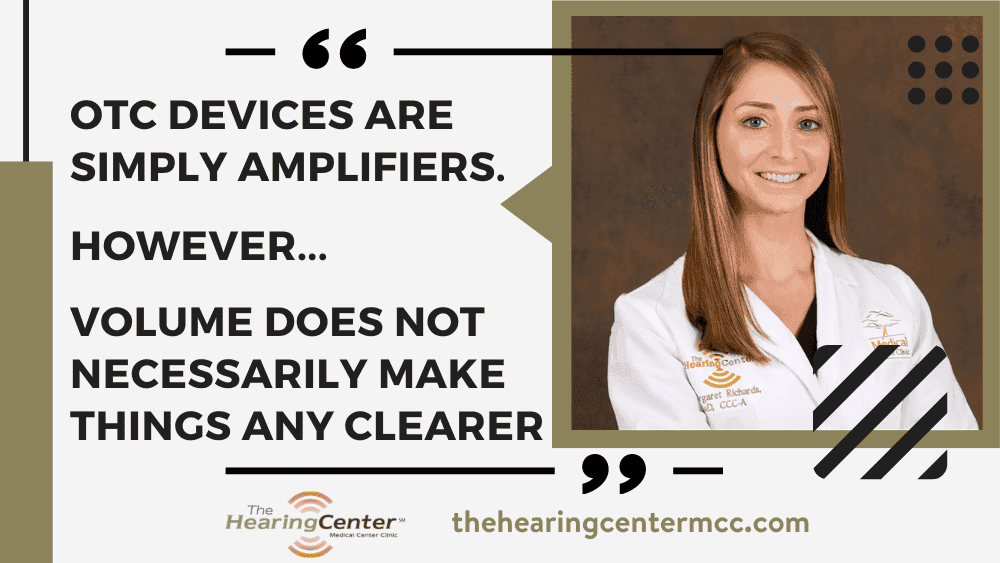
Well, over-the-counter devices are simply just amplifiers. They work to amplify sound in certain environments.
Whether it’s the noise around you or the person you’re trying to communicate with, it can be helpful for an individual that simply needs volume to be able to understand.
However, from our many years of practicing, we know that volume does not make things necessarily clearer or more discernible to someone – especially if that person doesn’t understand what their specific hearing abilities are.
If you’ve never had your hearing measured by an audiologist before — which, in the case of OTCs, you probably haven’t — then it’s difficult to make those judgments.
It doesn’t necessarily medically treat your hearing loss like hearing aids do, as it purely just works to “boost” your hearing in certain environments.
Whereas a more medical-grade hearing aid that is fit by an audiologist is going to be tailored to your hearing ability. As a result, you’re going to expect better performance and a greater outcome.
To compare the technology, hearing aids are very complex devices that employ very sophisticated processing systems such as the ability to filter out background noise, directional microphone technology, and digital programming.
There is no way that an OTC device can ever compare to hearing aids. In fact, it’s hard to even put them in the same category.
They Are a Stepping Stone to Better Care
While we wouldn’t advise OTCs over hearing aids to anyone, they are a great option if you don’t have access to appropriate technology. For example, they act as a great stepping stone if you can’t visit an audiologist or medical professional.
If you enjoy bird watching and want to be able to hear the harmony of the birds singing better, then OTCs are a fantastic option, as they work to enhance your hearing.
The only risk they pose to hearing healthcare is that if someone chooses to purchase an OTC device with an aim to treat their hearing loss, they are only going to be disappointed.
From that experience, they may give up and believe that no technology is going to work for them and let their hearing loss deteriorate further.
As audiologists, we see this happening a lot and it’s sad to see it.
OTCs cut out the middleman and are convenience-based, meaning anyone can access them without having to go through medical checks by an audiologist.
This means that certain medical issues can often get overlooked. It could be something as simple as an earwax buildup or debris in the eardrum, which may be causing your hearing loss.
All of these factors will be taken into account by an audiologist, and the appropriate hearing technology will be recommended by looking into your listening preferences, lifestyle, and medical history.
As OTCs are not medically treating your hearing loss, there is a greater risk of the negative side effects of untreated hearing loss such as cognitive decline and dementia.
However, with 48 million Americans living with a hearing loss, it’s better to see people using OTCs than nothing at all. At least it is one step in the right direction.
Nothing Compares to the Expertise of an Audiologist
While OTCs may seem like the more convenient option, there is no one else better than an audiologist to treat your hearing loss.
Combining several years of experience, our specialists have been helping thousands of patients in Pensacola Bay and its surrounding areas to hear better through comprehensive care.
With ongoing care and support throughout, we are here 5 days a week. That means that if you ever require extra assistance with your devices, we can help you.
Is that something you’re willing to give up?
The Truth About the Price Tag
Perhaps you’ve seen OTCs advertised as the “cheaper option” for hearing aids, or maybe your friend has a pair and thinks they’re fantastic.
Any audiologist would agree that you are not going to be satisfied unless you have a proper hearing assessment with a specialist. There, they will be able to conduct a range of tests to expertly examine the degree of your hearing loss.
The first step is scheduling an appointment with the professionals at the Hearing Center so that we can point you in the right direction and determine the best option for you.
We are looking forward to hearing from you.
Search
Request a Callback
What is Over-the-Counter (OTC) and What Does it Mean for Hearing Care?
Jun 8, 2021
OTC devices, also known as over-the-counter, are a type of hearing aid that you can access over the counter.
As a relatively new option to the market, they are designed to help those with a “perceived” hearing loss hear better in certain environments.
You can access them in places such as Walgreens, Walmart, or just about any type of pharmacy. They are seen as the most convenient option of hearing aids.
But what do we think?
From our perspective, the idea of seeing more ear-level devices and hearing aids made available to the general public can only bring positive benefits. Just like glasses for eyesight, it helps to break the taboo around hearing loss.
As more people come across OTCs, there is a greater association between the ears and communication. Perhaps someone may wear an OTC device once for playing sports and like it, and then they may consider the option of hearing aid technology.
There are definite pitfalls of these types of devices, as they are only appropriate for someone who has a mild perceived difficulty in hearing, but any awareness of better hearing is a great step in the right direction.
The Rise of OTCs
OTCs haven’t always been around. They have recently become more popular due to the law passed by the FDA, which requires certain labels and warnings to be included on the packaging.
This helps to outline the risks patients could cause to their hearing through overamplification.
What’s The Difference Between our Hearing Aids and OTC?
With all that in mind, you might be thinking “What’s the catch?”
Well, over-the-counter devices are simply just amplifiers. They work to amplify sound in certain environments.
Whether it’s the noise around you or the person you’re trying to communicate with, it can be helpful for an individual that simply needs volume to be able to understand.
However, from our many years of practicing, we know that volume does not make things necessarily clearer or more discernible to someone – especially if that person doesn’t understand what their specific hearing abilities are.
If you’ve never had your hearing measured by an audiologist before — which, in the case of OTCs, you probably haven’t — then it’s difficult to make those judgments.
It doesn’t necessarily medically treat your hearing loss like hearing aids do, as it purely just works to “boost” your hearing in certain environments.
Whereas a more medical-grade hearing aid that is fit by an audiologist is going to be tailored to your hearing ability. As a result, you’re going to expect better performance and a greater outcome.
To compare the technology, hearing aids are very complex devices that employ very sophisticated processing systems such as the ability to filter out background noise, directional microphone technology, and digital programming.
There is no way that an OTC device can ever compare to hearing aids. In fact, it’s hard to even put them in the same category.
They Are a Stepping Stone to Better Care
While we wouldn’t advise OTCs over hearing aids to anyone, they are a great option if you don’t have access to appropriate technology. For example, they act as a great stepping stone if you can’t visit an audiologist or medical professional.
If you enjoy bird watching and want to be able to hear the harmony of the birds singing better, then OTCs are a fantastic option, as they work to enhance your hearing.
The only risk they pose to hearing healthcare is that if someone chooses to purchase an OTC device with an aim to treat their hearing loss, they are only going to be disappointed.
From that experience, they may give up and believe that no technology is going to work for them and let their hearing loss deteriorate further.
As audiologists, we see this happening a lot and it’s sad to see it.
OTCs cut out the middleman and are convenience-based, meaning anyone can access them without having to go through medical checks by an audiologist.
This means that certain medical issues can often get overlooked. It could be something as simple as an earwax buildup or debris in the eardrum, which may be causing your hearing loss.
All of these factors will be taken into account by an audiologist, and the appropriate hearing technology will be recommended by looking into your listening preferences, lifestyle, and medical history.
As OTCs are not medically treating your hearing loss, there is a greater risk of the negative side effects of untreated hearing loss such as cognitive decline and dementia.
However, with 48 million Americans living with a hearing loss, it’s better to see people using OTCs than nothing at all. At least it is one step in the right direction.
Nothing Compares to the Expertise of an Audiologist
While OTCs may seem like the more convenient option, there is no one else better than an audiologist to treat your hearing loss.
Combining several years of experience, our specialists have been helping thousands of patients in Pensacola Bay and its surrounding areas to hear better through comprehensive care.
With ongoing care and support throughout, we are here 5 days a week. That means that if you ever require extra assistance with your devices, we can help you.
Is that something you’re willing to give up?
The Truth About the Price Tag
Perhaps you’ve seen OTCs advertised as the “cheaper option” for hearing aids, or maybe your friend has a pair and thinks they’re fantastic.
Any audiologist would agree that you are not going to be satisfied unless you have a proper hearing assessment with a specialist. There, they will be able to conduct a range of tests to expertly examine the degree of your hearing loss.
The first step is scheduling an appointment with the professionals at the Hearing Center so that we can point you in the right direction and determine the best option for you.
We are looking forward to hearing from you.
Search
Request a Callback
What is Over-the-Counter (OTC) and What Does it Mean for Hearing Care?
Jun 8, 2021
OTC devices, also known as over-the-counter, are a type of hearing aid that you can access over the counter.
As a relatively new option to the market, they are designed to help those with a “perceived” hearing loss hear better in certain environments.
You can access them in places such as Walgreens, Walmart, or just about any type of pharmacy. They are seen as the most convenient option of hearing aids.
But what do we think?
From our perspective, the idea of seeing more ear-level devices and hearing aids made available to the general public can only bring positive benefits. Just like glasses for eyesight, it helps to break the taboo around hearing loss.
As more people come across OTCs, there is a greater association between the ears and communication. Perhaps someone may wear an OTC device once for playing sports and like it, and then they may consider the option of hearing aid technology.
There are definite pitfalls of these types of devices, as they are only appropriate for someone who has a mild perceived difficulty in hearing, but any awareness of better hearing is a great step in the right direction.
The Rise of OTCs
OTCs haven’t always been around. They have recently become more popular due to the law passed by the FDA, which requires certain labels and warnings to be included on the packaging.
This helps to outline the risks patients could cause to their hearing through overamplification.
What’s The Difference Between our Hearing Aids and OTC?
With all that in mind, you might be thinking “What’s the catch?”
Well, over-the-counter devices are simply just amplifiers. They work to amplify sound in certain environments.
Whether it’s the noise around you or the person you’re trying to communicate with, it can be helpful for an individual that simply needs volume to be able to understand.
However, from our many years of practicing, we know that volume does not make things necessarily clearer or more discernible to someone – especially if that person doesn’t understand what their specific hearing abilities are.
If you’ve never had your hearing measured by an audiologist before — which, in the case of OTCs, you probably haven’t — then it’s difficult to make those judgments.
It doesn’t necessarily medically treat your hearing loss like hearing aids do, as it purely just works to “boost” your hearing in certain environments.
Whereas a more medical-grade hearing aid that is fit by an audiologist is going to be tailored to your hearing ability. As a result, you’re going to expect better performance and a greater outcome.
To compare the technology, hearing aids are very complex devices that employ very sophisticated processing systems such as the ability to filter out background noise, directional microphone technology, and digital programming.
There is no way that an OTC device can ever compare to hearing aids. In fact, it’s hard to even put them in the same category.
They Are a Stepping Stone to Better Care
While we wouldn’t advise OTCs over hearing aids to anyone, they are a great option if you don’t have access to appropriate technology. For example, they act as a great stepping stone if you can’t visit an audiologist or medical professional.
If you enjoy bird watching and want to be able to hear the harmony of the birds singing better, then OTCs are a fantastic option, as they work to enhance your hearing.
The only risk they pose to hearing healthcare is that if someone chooses to purchase an OTC device with an aim to treat their hearing loss, they are only going to be disappointed.
From that experience, they may give up and believe that no technology is going to work for them and let their hearing loss deteriorate further.
As audiologists, we see this happening a lot and it’s sad to see it.
OTCs cut out the middleman and are convenience-based, meaning anyone can access them without having to go through medical checks by an audiologist.
This means that certain medical issues can often get overlooked. It could be something as simple as an earwax buildup or debris in the eardrum, which may be causing your hearing loss.
All of these factors will be taken into account by an audiologist, and the appropriate hearing technology will be recommended by looking into your listening preferences, lifestyle, and medical history.
As OTCs are not medically treating your hearing loss, there is a greater risk of the negative side effects of untreated hearing loss such as cognitive decline and dementia.
However, with 48 million Americans living with a hearing loss, it’s better to see people using OTCs than nothing at all. At least it is one step in the right direction.
Nothing Compares to the Expertise of an Audiologist
While OTCs may seem like the more convenient option, there is no one else better than an audiologist to treat your hearing loss.
Combining several years of experience, our specialists have been helping thousands of patients in Pensacola Bay and its surrounding areas to hear better through comprehensive care.
With ongoing care and support throughout, we are here 5 days a week. That means that if you ever require extra assistance with your devices, we can help you.
Is that something you’re willing to give up?
The Truth About the Price Tag
Perhaps you’ve seen OTCs advertised as the “cheaper option” for hearing aids, or maybe your friend has a pair and thinks they’re fantastic.
Any audiologist would agree that you are not going to be satisfied unless you have a proper hearing assessment with a specialist. There, they will be able to conduct a range of tests to expertly examine the degree of your hearing loss.
The first step is scheduling an appointment with the professionals at the Hearing Center so that we can point you in the right direction and determine the best option for you.
We are looking forward to hearing from you.
Search
Request a Callback
TESTIMONIALS
Patient Stories
Hear from our patients about their experience with us
Trusted Hearing Experts in Pensacola Bay, Gulf Breeze, and the Surrounding Areas
Trusted By Tens of Thousands of Local People, Families,
and Physicians for Over 45 Years
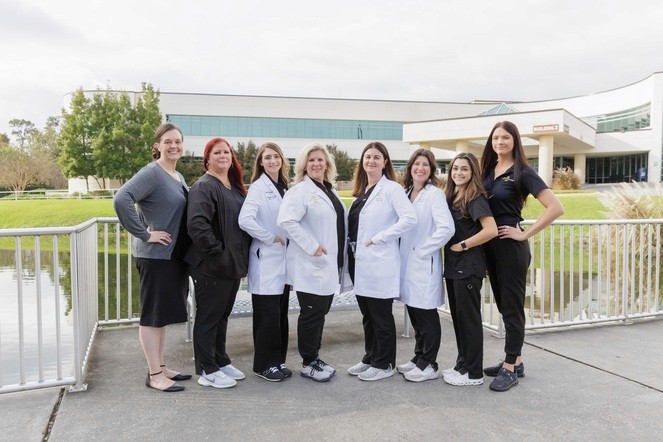
The first time I noticed signs of a hearing loss was back when I was with the Memphis Police Force on the first anti-sniper unit (SWAT) team. Shooting many rounds of guns a week led to ringing in my ears, which it seemed was the start of my hearing loss. The Hearing Center is the very best in the business. They were the most helpful in the profession that I had seen. Since getting my hearing aids, I have no regrets. I enjoy my life much more with my hearing back intact. If you are considering using The Hearing Center, expect to be impressed by the best in the hearing aid business. It’s wonderful to hear well again and I can’t thank them enough.
Bobby B.
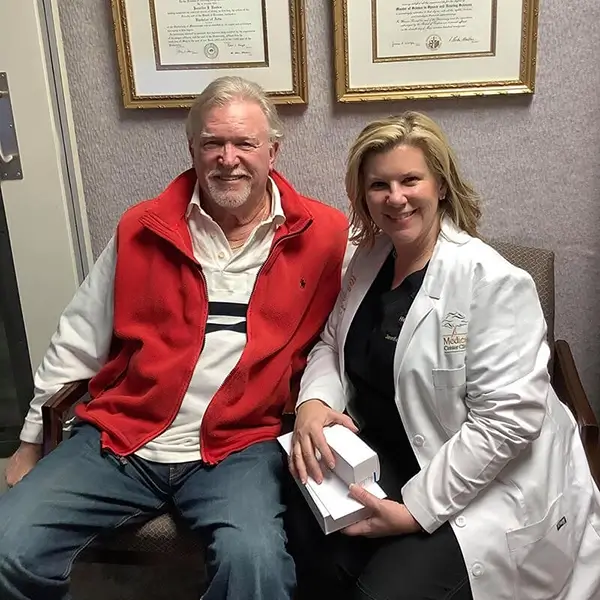
Thank you all for the help with my hearing aids. Everyone is so kind each time I come in, and I feel very well taken care of.
Karen H.
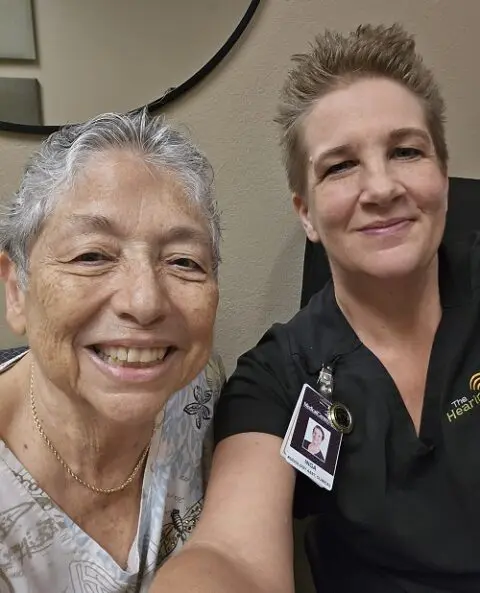
My hearing loss started when I was just 10 years old as a result of multiple ear infections. I was really struggling to hear, and as a result, I had to have a lot of ear construction to save my hearing. I was told that I would never be able to hear certain tones again. For many years, I was living in a world of isolation and I believed that there was no way that I would get all of my hearing back. I had an opinion that hearing aids were for older people. When I first approached The Hearing Center, everyone was very warm and welcoming, and it did not matter how many questions I had. They answered them and were very patient with me. They fitted me with hearing aids and the results have been life-changing. I can hear my children. They can no longer come up behind me and scare me! I feel less tired, I have more energy, and as a result, I am losing weight. Getting help with my hearing from The Hearing Center was the best thing I ever did!
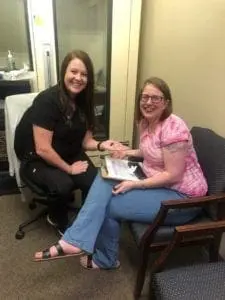
Natasha H.
I have visited many different hearing care providers over the years but none compare to the level of care I have received from Dr. LaBorde and the staff at The Hearing Center. I can honestly say they have changed my life by helping me to regain hearing clarity. I highly recommend them.
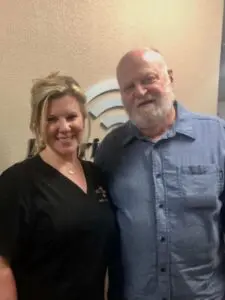
Robert S.
I first noticed my hearing loss when I was having to ask people to repeat themselves a lot. I decided to get my first hearing test and I was very impressed with the service from The Hearing Center. The people were friendly and knowledgeable. Now, I would not be able to cope without my hearing aids. I can now carry a conversation. I can highly recommend seeking help from The Hearing Center if you are struggling with a hearing loss.
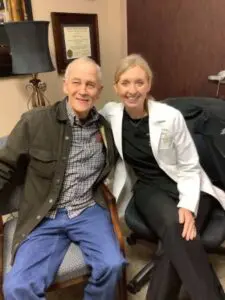
Edward C.
The first time I noticed signs of a hearing loss was back when I was with the Memphis Police Force on the first anti-sniper unit (SWAT) team. Shooting many rounds of guns a week led to ringing in my ears, which it seemed was the start of my hearing loss. The Hearing Center is the very best in the business. They were the most helpful in the profession that I had seen. Since getting my hearing aids, I have no regrets. I enjoy my life much more with my hearing back intact. If you are considering using The Hearing Center, expect to be impressed by the best in the hearing aid business. It’s wonderful to hear well again and I can’t thank them enough.
Bobby B.
Thank you all for the help with my hearing aids. Everyone is so kind each time I come in, and I feel very well taken care of.
Karen H.
My hearing loss started when I was just 10 years old as a result of multiple ear infections. I was really struggling to hear, and as a result, I had to have a lot of ear construction to save my hearing. I was told that I would never be able to hear certain tones again. For many years, I was living in a world of isolation and I believed that there was no way that I would get all of my hearing back. I had an opinion that hearing aids were for older people. When I first approached The Hearing Center, everyone was very warm and welcoming, and it did not matter how many questions I had. They answered them and were very patient with me. They fitted me with hearing aids and the results have been life-changing. I can hear my children. They can no longer come up behind me and scare me! I feel less tired, I have more energy, and as a result, I am losing weight. Getting help with my hearing from The Hearing Center was the best thing I ever did!
Natasha H.
I have visited many different hearing care providers over the years but none compare to the level of care I have received from Dr. LaBorde and the staff at The Hearing Center. I can honestly say they have changed my life by helping me to regain hearing clarity. I highly recommend them.
Robert S.
I first noticed my hearing loss when I was having to ask people to repeat themselves a lot. I decided to get my first hearing test and I was very impressed with the service from The Hearing Center. The people were friendly and knowledgeable. Now, I would not be able to cope without my hearing aids. I can now carry a conversation. I can highly recommend seeking help from The Hearing Center if you are struggling with a hearing loss.
Edward C.
The first time I noticed signs of a hearing loss was back when I was with the Memphis Police Force on the first anti-sniper unit (SWAT) team. Shooting many rounds of guns a week led to ringing in my ears, which it seemed was the start of my hearing loss. The Hearing Center is the very best in the business. They were the most helpful in the profession that I had seen. Since getting my hearing aids, I have no regrets. I enjoy my life much more with my hearing back intact. If you are considering using The Hearing Center, expect to be impressed by the best in the hearing aid business. It’s wonderful to hear well again and I can’t thank them enough.
Bobby B.
Thank you all for the help with my hearing aids. Everyone is so kind each time I come in, and I feel very well taken care of.
Karen H.
My hearing loss started when I was just 10 years old as a result of multiple ear infections. I was really struggling to hear, and as a result, I had to have a lot of ear construction to save my hearing. I was told that I would never be able to hear certain tones again. For many years, I was living in a world of isolation and I believed that there was no way that I would get all of my hearing back. I had an opinion that hearing aids were for older people. When I first approached The Hearing Center, everyone was very warm and welcoming, and it did not matter how many questions I had. They answered them and were very patient with me. They fitted me with hearing aids and the results have been life-changing. I can hear my children. They can no longer come up behind me and scare me! I feel less tired, I have more energy, and as a result, I am losing weight. Getting help with my hearing from The Hearing Center was the best thing I ever did!
Natasha H.
I have visited many different hearing care providers over the years but none compare to the level of care I have received from Dr. LaBorde and the staff at The Hearing Center. I can honestly say they have changed my life by helping me to regain hearing clarity. I highly recommend them.
Robert S.
I first noticed my hearing loss when I was having to ask people to repeat themselves a lot. I decided to get my first hearing test and I was very impressed with the service from The Hearing Center. The people were friendly and knowledgeable. Now, I would not be able to cope without my hearing aids. I can now carry a conversation. I can highly recommend seeking help from The Hearing Center if you are struggling with a hearing loss.
Edward C.
The first time I noticed signs of a hearing loss was back when I was with the Memphis Police Force on the first anti-sniper unit (SWAT) team. Shooting many rounds of guns a week led to ringing in my ears, which it seemed was the start of my hearing loss. The Hearing Center is the very best in the business. They were the most helpful in the profession that I had seen. Since getting my hearing aids, I have no regrets. I enjoy my life much more with my hearing back intact. If you are considering using The Hearing Center, expect to be impressed by the best in the hearing aid business. It’s wonderful to hear well again and I can’t thank them enough.
Bobby B.
Thank you all for the help with my hearing aids. Everyone is so kind each time I come in, and I feel very well taken care of.
Karen H.
My hearing loss started when I was just 10 years old as a result of multiple ear infections. I was really struggling to hear, and as a result, I had to have a lot of ear construction to save my hearing. I was told that I would never be able to hear certain tones again. For many years, I was living in a world of isolation and I believed that there was no way that I would get all of my hearing back. I had an opinion that hearing aids were for older people. When I first approached The Hearing Center, everyone was very warm and welcoming, and it did not matter how many questions I had. They answered them and were very patient with me. They fitted me with hearing aids and the results have been life-changing. I can hear my children. They can no longer come up behind me and scare me! I feel less tired, I have more energy, and as a result, I am losing weight. Getting help with my hearing from The Hearing Center was the best thing I ever did!
Natasha H.
I have visited many different hearing care providers over the years but none compare to the level of care I have received from Dr. LaBorde and the staff at The Hearing Center. I can honestly say they have changed my life by helping me to regain hearing clarity. I highly recommend them.
Robert S.
I first noticed my hearing loss when I was having to ask people to repeat themselves a lot. I decided to get my first hearing test and I was very impressed with the service from The Hearing Center. The people were friendly and knowledgeable. Now, I would not be able to cope without my hearing aids. I can now carry a conversation. I can highly recommend seeking help from The Hearing Center if you are struggling with a hearing loss.
Edward C.
TESTIMONIALS
Patient Stories
Hear from our patients about their experience with us
Trusted Hearing Experts in Pensacola Bay, Gulf Breeze, and the Surrounding Areas
Trusted By Tens of Thousands of Local People, Families,
and Physicians for Over 45 Years
The first time I noticed signs of a hearing loss was back when I was with the Memphis Police Force on the first anti-sniper unit (SWAT) team. Shooting many rounds of guns a week led to ringing in my ears, which it seemed was the start of my hearing loss. The Hearing Center is the very best in the business. They were the most helpful in the profession that I had seen. Since getting my hearing aids, I have no regrets. I enjoy my life much more with my hearing back intact. If you are considering using The Hearing Center, expect to be impressed by the best in the hearing aid business. It’s wonderful to hear well again and I can’t thank them enough.
Bobby B.
Thank you all for the help with my hearing aids. Everyone is so kind each time I come in, and I feel very well taken care of.
Karen H.
My hearing loss started when I was just 10 years old as a result of multiple ear infections. I was really struggling to hear, and as a result, I had to have a lot of ear construction to save my hearing. I was told that I would never be able to hear certain tones again. For many years, I was living in a world of isolation and I believed that there was no way that I would get all of my hearing back. I had an opinion that hearing aids were for older people. When I first approached The Hearing Center, everyone was very warm and welcoming, and it did not matter how many questions I had. They answered them and were very patient with me. They fitted me with hearing aids and the results have been life-changing. I can hear my children. They can no longer come up behind me and scare me! I feel less tired, I have more energy, and as a result, I am losing weight. Getting help with my hearing from The Hearing Center was the best thing I ever did!
Natasha H.
I have visited many different hearing care providers over the years but none compare to the level of care I have received from Dr. LaBorde and the staff at The Hearing Center. I can honestly say they have changed my life by helping me to regain hearing clarity. I highly recommend them.
Robert S.
I first noticed my hearing loss when I was having to ask people to repeat themselves a lot. I decided to get my first hearing test and I was very impressed with the service from The Hearing Center. The people were friendly and knowledgeable. Now, I would not be able to cope without my hearing aids. I can now carry a conversation. I can highly recommend seeking help from The Hearing Center if you are struggling with a hearing loss.
Edward C.
The first time I noticed signs of a hearing loss was back when I was with the Memphis Police Force on the first anti-sniper unit (SWAT) team. Shooting many rounds of guns a week led to ringing in my ears, which it seemed was the start of my hearing loss. The Hearing Center is the very best in the business. They were the most helpful in the profession that I had seen. Since getting my hearing aids, I have no regrets. I enjoy my life much more with my hearing back intact. If you are considering using The Hearing Center, expect to be impressed by the best in the hearing aid business. It’s wonderful to hear well again and I can’t thank them enough.
Bobby B.
Thank you all for the help with my hearing aids. Everyone is so kind each time I come in, and I feel very well taken care of.
Karen H.
My hearing loss started when I was just 10 years old as a result of multiple ear infections. I was really struggling to hear, and as a result, I had to have a lot of ear construction to save my hearing. I was told that I would never be able to hear certain tones again. For many years, I was living in a world of isolation and I believed that there was no way that I would get all of my hearing back. I had an opinion that hearing aids were for older people. When I first approached The Hearing Center, everyone was very warm and welcoming, and it did not matter how many questions I had. They answered them and were very patient with me. They fitted me with hearing aids and the results have been life-changing. I can hear my children. They can no longer come up behind me and scare me! I feel less tired, I have more energy, and as a result, I am losing weight. Getting help with my hearing from The Hearing Center was the best thing I ever did!
Natasha H.
I have visited many different hearing care providers over the years but none compare to the level of care I have received from Dr. LaBorde and the staff at The Hearing Center. I can honestly say they have changed my life by helping me to regain hearing clarity. I highly recommend them.
Robert S.
I first noticed my hearing loss when I was having to ask people to repeat themselves a lot. I decided to get my first hearing test and I was very impressed with the service from The Hearing Center. The people were friendly and knowledgeable. Now, I would not be able to cope without my hearing aids. I can now carry a conversation. I can highly recommend seeking help from The Hearing Center if you are struggling with a hearing loss.
Edward C.
The first time I noticed signs of a hearing loss was back when I was with the Memphis Police Force on the first anti-sniper unit (SWAT) team. Shooting many rounds of guns a week led to ringing in my ears, which it seemed was the start of my hearing loss. The Hearing Center is the very best in the business. They were the most helpful in the profession that I had seen. Since getting my hearing aids, I have no regrets. I enjoy my life much more with my hearing back intact. If you are considering using The Hearing Center, expect to be impressed by the best in the hearing aid business. It’s wonderful to hear well again and I can’t thank them enough.
Bobby B.
Thank you all for the help with my hearing aids. Everyone is so kind each time I come in, and I feel very well taken care of.
Karen H.
My hearing loss started when I was just 10 years old as a result of multiple ear infections. I was really struggling to hear, and as a result, I had to have a lot of ear construction to save my hearing. I was told that I would never be able to hear certain tones again. For many years, I was living in a world of isolation and I believed that there was no way that I would get all of my hearing back. I had an opinion that hearing aids were for older people. When I first approached The Hearing Center, everyone was very warm and welcoming, and it did not matter how many questions I had. They answered them and were very patient with me. They fitted me with hearing aids and the results have been life-changing. I can hear my children. They can no longer come up behind me and scare me! I feel less tired, I have more energy, and as a result, I am losing weight. Getting help with my hearing from The Hearing Center was the best thing I ever did!
Natasha H.
I have visited many different hearing care providers over the years but none compare to the level of care I have received from Dr. LaBorde and the staff at The Hearing Center. I can honestly say they have changed my life by helping me to regain hearing clarity. I highly recommend them.
Robert S.
I first noticed my hearing loss when I was having to ask people to repeat themselves a lot. I decided to get my first hearing test and I was very impressed with the service from The Hearing Center. The people were friendly and knowledgeable. Now, I would not be able to cope without my hearing aids. I can now carry a conversation. I can highly recommend seeking help from The Hearing Center if you are struggling with a hearing loss.
Edward C.
The first time I noticed signs of a hearing loss was back when I was with the Memphis Police Force on the first anti-sniper unit (SWAT) team. Shooting many rounds of guns a week led to ringing in my ears, which it seemed was the start of my hearing loss. The Hearing Center is the very best in the business. They were the most helpful in the profession that I had seen. Since getting my hearing aids, I have no regrets. I enjoy my life much more with my hearing back intact. If you are considering using The Hearing Center, expect to be impressed by the best in the hearing aid business. It’s wonderful to hear well again and I can’t thank them enough.
Bobby B.
Thank you all for the help with my hearing aids. Everyone is so kind each time I come in, and I feel very well taken care of.
Karen H.
My hearing loss started when I was just 10 years old as a result of multiple ear infections. I was really struggling to hear, and as a result, I had to have a lot of ear construction to save my hearing. I was told that I would never be able to hear certain tones again. For many years, I was living in a world of isolation and I believed that there was no way that I would get all of my hearing back. I had an opinion that hearing aids were for older people. When I first approached The Hearing Center, everyone was very warm and welcoming, and it did not matter how many questions I had. They answered them and were very patient with me. They fitted me with hearing aids and the results have been life-changing. I can hear my children. They can no longer come up behind me and scare me! I feel less tired, I have more energy, and as a result, I am losing weight. Getting help with my hearing from The Hearing Center was the best thing I ever did!
Natasha H.
I have visited many different hearing care providers over the years but none compare to the level of care I have received from Dr. LaBorde and the staff at The Hearing Center. I can honestly say they have changed my life by helping me to regain hearing clarity. I highly recommend them.
Robert S.
I first noticed my hearing loss when I was having to ask people to repeat themselves a lot. I decided to get my first hearing test and I was very impressed with the service from The Hearing Center. The people were friendly and knowledgeable. Now, I would not be able to cope without my hearing aids. I can now carry a conversation. I can highly recommend seeking help from The Hearing Center if you are struggling with a hearing loss.
Edward C.
TESTIMONIALS
Patient Stories
Hear from our patients about their experience with us
Trusted Hearing Experts in Pensacola Bay, Gulf Breeze, and the Surrounding Areas
Trusted By Tens of Thousands of Local People, Families,
and Physicians for Over 45 Years
The first time I noticed signs of a hearing loss was back when I was with the Memphis Police Force on the first anti-sniper unit (SWAT) team. Shooting many rounds of guns a week led to ringing in my ears, which it seemed was the start of my hearing loss. The Hearing Center is the very best in the business. They were the most helpful in the profession that I had seen. Since getting my hearing aids, I have no regrets. I enjoy my life much more with my hearing back intact. If you are considering using The Hearing Center, expect to be impressed by the best in the hearing aid business. It’s wonderful to hear well again and I can’t thank them enough.
Bobby B.
Thank you all for the help with my hearing aids. Everyone is so kind each time I come in, and I feel very well taken care of.
Karen H.
My hearing loss started when I was just 10 years old as a result of multiple ear infections. I was really struggling to hear, and as a result, I had to have a lot of ear construction to save my hearing. I was told that I would never be able to hear certain tones again. For many years, I was living in a world of isolation and I believed that there was no way that I would get all of my hearing back. I had an opinion that hearing aids were for older people. When I first approached The Hearing Center, everyone was very warm and welcoming, and it did not matter how many questions I had. They answered them and were very patient with me. They fitted me with hearing aids and the results have been life-changing. I can hear my children. They can no longer come up behind me and scare me! I feel less tired, I have more energy, and as a result, I am losing weight. Getting help with my hearing from The Hearing Center was the best thing I ever did!
Natasha H.
I have visited many different hearing care providers over the years but none compare to the level of care I have received from Dr. LaBorde and the staff at The Hearing Center. I can honestly say they have changed my life by helping me to regain hearing clarity. I highly recommend them.
Robert S.
I first noticed my hearing loss when I was having to ask people to repeat themselves a lot. I decided to get my first hearing test and I was very impressed with the service from The Hearing Center. The people were friendly and knowledgeable. Now, I would not be able to cope without my hearing aids. I can now carry a conversation. I can highly recommend seeking help from The Hearing Center if you are struggling with a hearing loss.
Edward C.
The first time I noticed signs of a hearing loss was back when I was with the Memphis Police Force on the first anti-sniper unit (SWAT) team. Shooting many rounds of guns a week led to ringing in my ears, which it seemed was the start of my hearing loss. The Hearing Center is the very best in the business. They were the most helpful in the profession that I had seen. Since getting my hearing aids, I have no regrets. I enjoy my life much more with my hearing back intact. If you are considering using The Hearing Center, expect to be impressed by the best in the hearing aid business. It’s wonderful to hear well again and I can’t thank them enough.
Bobby B.
Thank you all for the help with my hearing aids. Everyone is so kind each time I come in, and I feel very well taken care of.
Karen H.
My hearing loss started when I was just 10 years old as a result of multiple ear infections. I was really struggling to hear, and as a result, I had to have a lot of ear construction to save my hearing. I was told that I would never be able to hear certain tones again. For many years, I was living in a world of isolation and I believed that there was no way that I would get all of my hearing back. I had an opinion that hearing aids were for older people. When I first approached The Hearing Center, everyone was very warm and welcoming, and it did not matter how many questions I had. They answered them and were very patient with me. They fitted me with hearing aids and the results have been life-changing. I can hear my children. They can no longer come up behind me and scare me! I feel less tired, I have more energy, and as a result, I am losing weight. Getting help with my hearing from The Hearing Center was the best thing I ever did!
Natasha H.
I have visited many different hearing care providers over the years but none compare to the level of care I have received from Dr. LaBorde and the staff at The Hearing Center. I can honestly say they have changed my life by helping me to regain hearing clarity. I highly recommend them.
Robert S.
I first noticed my hearing loss when I was having to ask people to repeat themselves a lot. I decided to get my first hearing test and I was very impressed with the service from The Hearing Center. The people were friendly and knowledgeable. Now, I would not be able to cope without my hearing aids. I can now carry a conversation. I can highly recommend seeking help from The Hearing Center if you are struggling with a hearing loss.
Edward C.
The first time I noticed signs of a hearing loss was back when I was with the Memphis Police Force on the first anti-sniper unit (SWAT) team. Shooting many rounds of guns a week led to ringing in my ears, which it seemed was the start of my hearing loss. The Hearing Center is the very best in the business. They were the most helpful in the profession that I had seen. Since getting my hearing aids, I have no regrets. I enjoy my life much more with my hearing back intact. If you are considering using The Hearing Center, expect to be impressed by the best in the hearing aid business. It’s wonderful to hear well again and I can’t thank them enough.
Bobby B.
Thank you all for the help with my hearing aids. Everyone is so kind each time I come in, and I feel very well taken care of.
Karen H.
My hearing loss started when I was just 10 years old as a result of multiple ear infections. I was really struggling to hear, and as a result, I had to have a lot of ear construction to save my hearing. I was told that I would never be able to hear certain tones again. For many years, I was living in a world of isolation and I believed that there was no way that I would get all of my hearing back. I had an opinion that hearing aids were for older people. When I first approached The Hearing Center, everyone was very warm and welcoming, and it did not matter how many questions I had. They answered them and were very patient with me. They fitted me with hearing aids and the results have been life-changing. I can hear my children. They can no longer come up behind me and scare me! I feel less tired, I have more energy, and as a result, I am losing weight. Getting help with my hearing from The Hearing Center was the best thing I ever did!
Natasha H.
I have visited many different hearing care providers over the years but none compare to the level of care I have received from Dr. LaBorde and the staff at The Hearing Center. I can honestly say they have changed my life by helping me to regain hearing clarity. I highly recommend them.
Robert S.
I first noticed my hearing loss when I was having to ask people to repeat themselves a lot. I decided to get my first hearing test and I was very impressed with the service from The Hearing Center. The people were friendly and knowledgeable. Now, I would not be able to cope without my hearing aids. I can now carry a conversation. I can highly recommend seeking help from The Hearing Center if you are struggling with a hearing loss.
Edward C.
The first time I noticed signs of a hearing loss was back when I was with the Memphis Police Force on the first anti-sniper unit (SWAT) team. Shooting many rounds of guns a week led to ringing in my ears, which it seemed was the start of my hearing loss. The Hearing Center is the very best in the business. They were the most helpful in the profession that I had seen. Since getting my hearing aids, I have no regrets. I enjoy my life much more with my hearing back intact. If you are considering using The Hearing Center, expect to be impressed by the best in the hearing aid business. It’s wonderful to hear well again and I can’t thank them enough.
Bobby B.
Thank you all for the help with my hearing aids. Everyone is so kind each time I come in, and I feel very well taken care of.
Karen H.
My hearing loss started when I was just 10 years old as a result of multiple ear infections. I was really struggling to hear, and as a result, I had to have a lot of ear construction to save my hearing. I was told that I would never be able to hear certain tones again. For many years, I was living in a world of isolation and I believed that there was no way that I would get all of my hearing back. I had an opinion that hearing aids were for older people. When I first approached The Hearing Center, everyone was very warm and welcoming, and it did not matter how many questions I had. They answered them and were very patient with me. They fitted me with hearing aids and the results have been life-changing. I can hear my children. They can no longer come up behind me and scare me! I feel less tired, I have more energy, and as a result, I am losing weight. Getting help with my hearing from The Hearing Center was the best thing I ever did!
Natasha H.
I have visited many different hearing care providers over the years but none compare to the level of care I have received from Dr. LaBorde and the staff at The Hearing Center. I can honestly say they have changed my life by helping me to regain hearing clarity. I highly recommend them.
Robert S.
I first noticed my hearing loss when I was having to ask people to repeat themselves a lot. I decided to get my first hearing test and I was very impressed with the service from The Hearing Center. The people were friendly and knowledgeable. Now, I would not be able to cope without my hearing aids. I can now carry a conversation. I can highly recommend seeking help from The Hearing Center if you are struggling with a hearing loss.
Edward C.
Request a Callback
Utilize prebuilt templates and components for a professional, stunning look. Save time and focus on content with our user-friendly, customizable design solutions.
Request a Callback
Utilize prebuilt templates and components for a professional, stunning look. Save time and focus on content with our user-friendly, customizable design solutions.
Request a Callback
Utilize prebuilt templates and components for a professional, stunning look. Save time and focus on content with our user-friendly, customizable design solutions.