A Firsthand Look at Presbycusis and Its Effects on You and Your Family
A Firsthand Look at Presbycusis and Its Effects on You and Your Family
A Firsthand Look at Presbycusis and Its Effects on You and Your Family
A Firsthand Look at Presbycusis and Its Effects on You and Your Family
Apr 29, 2023
Presbycusis is an increasingly common condition that affects millions of adults. It is a gradual hearing loss that begins after age 30 and typically worsens over time. As of 2018, the World Health Organization estimated that presbycusis affects over one-third of adults over 65.
Presbycusis can have a significant impact on an individual's quality of life. It can interfere with communication, leading to social isolation and depression. It can also harm work performance, as difficulty hearing can make it challenging to understand instructions.
By exploring the causes, symptoms, and treatment of presbycusis, this article will provide Floridians with an understanding of the condition and the steps they can take to prevent or manage it.
With this knowledge, individuals can take the necessary steps to preserve their hearing as they age.
What Is Presbycusis?
Presbycusis is a type of hearing loss due to aging. It’s a gradual decline in the ability to hear that typically starts after age 60 but can start earlier. It is the most common type of hearing loss and affects about one-third of adults over the age of 65.
Presbycusis cannot be cured but can be managed with hearing aids or other assistive devices. These devices can help to amplify sound and reduce background noise, making it easier to hear. Counseling and other support services can also be beneficial.
Common Symptoms to Identify
Presbycusis is caused by a gradual loss of the tiny hair cells in the inner ear, which can lead to a decrease in the ability to hear certain sound frequencies.
Symptoms of presbycusis include:
The primary cause of presbycusis is age-related changes to the inner ear. As people age, their hearing deteriorates due to a gradual loss of the tiny hair cells in the cochlea. These cells are responsible for converting sound vibrations into nerve signals that are sent to the brain.
Over time, the hair cells become damaged and unable to process sound properly. This damage is permanent and cannot be reversed, so hearing aids are often prescribed to people with presbycusis.
Other factors contributing to age-related hearing loss include exposure to loud noise, certain medications, and underlying medical conditions.
Who Is Most at Risk?
The people most at risk of developing presbycusis are those who are over the age of 65. This is due to the natural aging process and the fact that hearing loss is a common side effect of getting older.
Other factors that can increase an individual’s risk of developing presbycusis include a family history of hearing loss, exposure to loud noise, certain medical conditions, and certain medications.
Take Preventative Action
Several preventative measures can be taken to avoid presbycusis.
Individuals should strive to maintain a healthy lifestyle, which can help keep their ears healthy. This includes eating a balanced diet, exercising regularly, refraining from smoking, and avoiding exposure to loud noise whenever possible.
Everyone should have their hearing tested regularly and should be aware of any changes in their hearing that may occur over time. Wearing hearing protection when exposed to loud sounds can also help to reduce the risk of developing presbycusis.
Finally, individuals should make sure to take care of their existing hearing aids and to have them serviced regularly. This is especially important for individuals who already have a hearing loss, as it can help to prevent further damage to their hearing and help to preserve their existing hearing ability.
How to Care for a Loved One with Presbycusis
Presbycusis is the medical term for age-related hearing loss. It is a gradual, irreversible loss of hearing that can occur as early as in the 40s or 50s and is most common in people over 60.
It’s essential to have regular hearing tests to monitor the progression of hearing loss. Depending on the severity of the hearing loss, hearing aids and other assistive devices may be recommended.
This can be about their listening difficulties; ask how you can help. This might involve speaking more clearly, repeating yourself, or using visual cues to help them understand what is being said.
It can be difficult for someone with a hearing loss to cope with everyday conversations, so it’s crucial to create a supportive environment for them. This might involve speaking more slowly and using facial expressions to help them understand what is being said.
Fatigue and stress can worsen hearing problems. Make sure that the individual is getting enough rest and avoiding stressful situations.
Certain lifestyle changes, such as reducing their exposure to loud noises, can help reduce the impact of hearing loss.
With hearing loss, it can be challenging to keep up with conversations, leading to feelings of isolation. It’s important to provide emotional support and understanding to your loved one.
The First Step for Presbycusis Relief
At The Hearing Center, we have a team dedicated to treating all types of hearing loss, yet presbycusis is among the most common.
We evaluate each case individually to ensure your needs are specifically met. This starts with a comprehensive hearing assessment that will give us all the information we need to develop a long-term plan for relief.
Schedule your hearing assessment right here to start the journey to better hearing. Contact us anytime with questions about presbycusis or any other hearing-related ailment. We are standing by to help all the residents of Pensacola and Gulf Breeze.
Search
Request a Callback
A Firsthand Look at Presbycusis and Its Effects on You and Your Family
Apr 29, 2023
Presbycusis is an increasingly common condition that affects millions of adults. It is a gradual hearing loss that begins after age 30 and typically worsens over time. As of 2018, the World Health Organization estimated that presbycusis affects over one-third of adults over 65.
Presbycusis can have a significant impact on an individual's quality of life. It can interfere with communication, leading to social isolation and depression. It can also harm work performance, as difficulty hearing can make it challenging to understand instructions.
By exploring the causes, symptoms, and treatment of presbycusis, this article will provide Floridians with an understanding of the condition and the steps they can take to prevent or manage it.
With this knowledge, individuals can take the necessary steps to preserve their hearing as they age.
What Is Presbycusis?
Presbycusis is a type of hearing loss due to aging. It’s a gradual decline in the ability to hear that typically starts after age 60 but can start earlier. It is the most common type of hearing loss and affects about one-third of adults over the age of 65.
Presbycusis cannot be cured but can be managed with hearing aids or other assistive devices. These devices can help to amplify sound and reduce background noise, making it easier to hear. Counseling and other support services can also be beneficial.
Common Symptoms to Identify
Presbycusis is caused by a gradual loss of the tiny hair cells in the inner ear, which can lead to a decrease in the ability to hear certain sound frequencies.
Symptoms of presbycusis include:
The primary cause of presbycusis is age-related changes to the inner ear. As people age, their hearing deteriorates due to a gradual loss of the tiny hair cells in the cochlea. These cells are responsible for converting sound vibrations into nerve signals that are sent to the brain.
Over time, the hair cells become damaged and unable to process sound properly. This damage is permanent and cannot be reversed, so hearing aids are often prescribed to people with presbycusis.
Other factors contributing to age-related hearing loss include exposure to loud noise, certain medications, and underlying medical conditions.
Who Is Most at Risk?
The people most at risk of developing presbycusis are those who are over the age of 65. This is due to the natural aging process and the fact that hearing loss is a common side effect of getting older.
Other factors that can increase an individual’s risk of developing presbycusis include a family history of hearing loss, exposure to loud noise, certain medical conditions, and certain medications.
Take Preventative Action
Several preventative measures can be taken to avoid presbycusis.
Individuals should strive to maintain a healthy lifestyle, which can help keep their ears healthy. This includes eating a balanced diet, exercising regularly, refraining from smoking, and avoiding exposure to loud noise whenever possible.
Everyone should have their hearing tested regularly and should be aware of any changes in their hearing that may occur over time. Wearing hearing protection when exposed to loud sounds can also help to reduce the risk of developing presbycusis.
Finally, individuals should make sure to take care of their existing hearing aids and to have them serviced regularly. This is especially important for individuals who already have a hearing loss, as it can help to prevent further damage to their hearing and help to preserve their existing hearing ability.
How to Care for a Loved One with Presbycusis
Presbycusis is the medical term for age-related hearing loss. It is a gradual, irreversible loss of hearing that can occur as early as in the 40s or 50s and is most common in people over 60.
It’s essential to have regular hearing tests to monitor the progression of hearing loss. Depending on the severity of the hearing loss, hearing aids and other assistive devices may be recommended.
This can be about their listening difficulties; ask how you can help. This might involve speaking more clearly, repeating yourself, or using visual cues to help them understand what is being said.
It can be difficult for someone with a hearing loss to cope with everyday conversations, so it’s crucial to create a supportive environment for them. This might involve speaking more slowly and using facial expressions to help them understand what is being said.
Fatigue and stress can worsen hearing problems. Make sure that the individual is getting enough rest and avoiding stressful situations.
Certain lifestyle changes, such as reducing their exposure to loud noises, can help reduce the impact of hearing loss.
With hearing loss, it can be challenging to keep up with conversations, leading to feelings of isolation. It’s important to provide emotional support and understanding to your loved one.
The First Step for Presbycusis Relief
At The Hearing Center, we have a team dedicated to treating all types of hearing loss, yet presbycusis is among the most common.
We evaluate each case individually to ensure your needs are specifically met. This starts with a comprehensive hearing assessment that will give us all the information we need to develop a long-term plan for relief.
Schedule your hearing assessment right here to start the journey to better hearing. Contact us anytime with questions about presbycusis or any other hearing-related ailment. We are standing by to help all the residents of Pensacola and Gulf Breeze.
Search
Request a Callback
A Firsthand Look at Presbycusis and Its Effects on You and Your Family
Apr 29, 2023
Presbycusis is an increasingly common condition that affects millions of adults. It is a gradual hearing loss that begins after age 30 and typically worsens over time. As of 2018, the World Health Organization estimated that presbycusis affects over one-third of adults over 65.
Presbycusis can have a significant impact on an individual's quality of life. It can interfere with communication, leading to social isolation and depression. It can also harm work performance, as difficulty hearing can make it challenging to understand instructions.
By exploring the causes, symptoms, and treatment of presbycusis, this article will provide Floridians with an understanding of the condition and the steps they can take to prevent or manage it.
With this knowledge, individuals can take the necessary steps to preserve their hearing as they age.
What Is Presbycusis?
Presbycusis is a type of hearing loss due to aging. It’s a gradual decline in the ability to hear that typically starts after age 60 but can start earlier. It is the most common type of hearing loss and affects about one-third of adults over the age of 65.
Presbycusis cannot be cured but can be managed with hearing aids or other assistive devices. These devices can help to amplify sound and reduce background noise, making it easier to hear. Counseling and other support services can also be beneficial.
Common Symptoms to Identify
Presbycusis is caused by a gradual loss of the tiny hair cells in the inner ear, which can lead to a decrease in the ability to hear certain sound frequencies.
Symptoms of presbycusis include:
The primary cause of presbycusis is age-related changes to the inner ear. As people age, their hearing deteriorates due to a gradual loss of the tiny hair cells in the cochlea. These cells are responsible for converting sound vibrations into nerve signals that are sent to the brain.
Over time, the hair cells become damaged and unable to process sound properly. This damage is permanent and cannot be reversed, so hearing aids are often prescribed to people with presbycusis.
Other factors contributing to age-related hearing loss include exposure to loud noise, certain medications, and underlying medical conditions.
Who Is Most at Risk?
The people most at risk of developing presbycusis are those who are over the age of 65. This is due to the natural aging process and the fact that hearing loss is a common side effect of getting older.
Other factors that can increase an individual’s risk of developing presbycusis include a family history of hearing loss, exposure to loud noise, certain medical conditions, and certain medications.
Take Preventative Action
Several preventative measures can be taken to avoid presbycusis.
Individuals should strive to maintain a healthy lifestyle, which can help keep their ears healthy. This includes eating a balanced diet, exercising regularly, refraining from smoking, and avoiding exposure to loud noise whenever possible.
Everyone should have their hearing tested regularly and should be aware of any changes in their hearing that may occur over time. Wearing hearing protection when exposed to loud sounds can also help to reduce the risk of developing presbycusis.
Finally, individuals should make sure to take care of their existing hearing aids and to have them serviced regularly. This is especially important for individuals who already have a hearing loss, as it can help to prevent further damage to their hearing and help to preserve their existing hearing ability.
How to Care for a Loved One with Presbycusis
Presbycusis is the medical term for age-related hearing loss. It is a gradual, irreversible loss of hearing that can occur as early as in the 40s or 50s and is most common in people over 60.
It’s essential to have regular hearing tests to monitor the progression of hearing loss. Depending on the severity of the hearing loss, hearing aids and other assistive devices may be recommended.
This can be about their listening difficulties; ask how you can help. This might involve speaking more clearly, repeating yourself, or using visual cues to help them understand what is being said.
It can be difficult for someone with a hearing loss to cope with everyday conversations, so it’s crucial to create a supportive environment for them. This might involve speaking more slowly and using facial expressions to help them understand what is being said.
Fatigue and stress can worsen hearing problems. Make sure that the individual is getting enough rest and avoiding stressful situations.
Certain lifestyle changes, such as reducing their exposure to loud noises, can help reduce the impact of hearing loss.
With hearing loss, it can be challenging to keep up with conversations, leading to feelings of isolation. It’s important to provide emotional support and understanding to your loved one.
The First Step for Presbycusis Relief
At The Hearing Center, we have a team dedicated to treating all types of hearing loss, yet presbycusis is among the most common.
We evaluate each case individually to ensure your needs are specifically met. This starts with a comprehensive hearing assessment that will give us all the information we need to develop a long-term plan for relief.
Schedule your hearing assessment right here to start the journey to better hearing. Contact us anytime with questions about presbycusis or any other hearing-related ailment. We are standing by to help all the residents of Pensacola and Gulf Breeze.
Search
Request a Callback
TESTIMONIALS
Patient Stories
Hear from our patients about their experience with us
Trusted Hearing Experts in Pensacola Bay, Gulf Breeze, and the Surrounding Areas
Trusted By Tens of Thousands of Local People, Families,
and Physicians for Over 45 Years
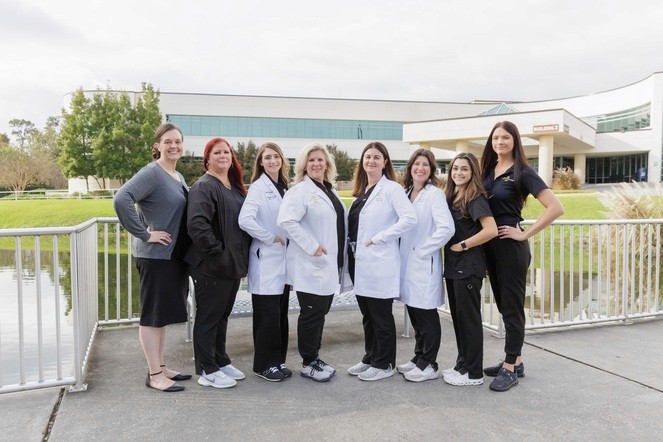
The first time I noticed signs of a hearing loss was back when I was with the Memphis Police Force on the first anti-sniper unit (SWAT) team. Shooting many rounds of guns a week led to ringing in my ears, which it seemed was the start of my hearing loss. The Hearing Center is the very best in the business. They were the most helpful in the profession that I had seen. Since getting my hearing aids, I have no regrets. I enjoy my life much more with my hearing back intact. If you are considering using The Hearing Center, expect to be impressed by the best in the hearing aid business. It’s wonderful to hear well again and I can’t thank them enough.
Bobby B.
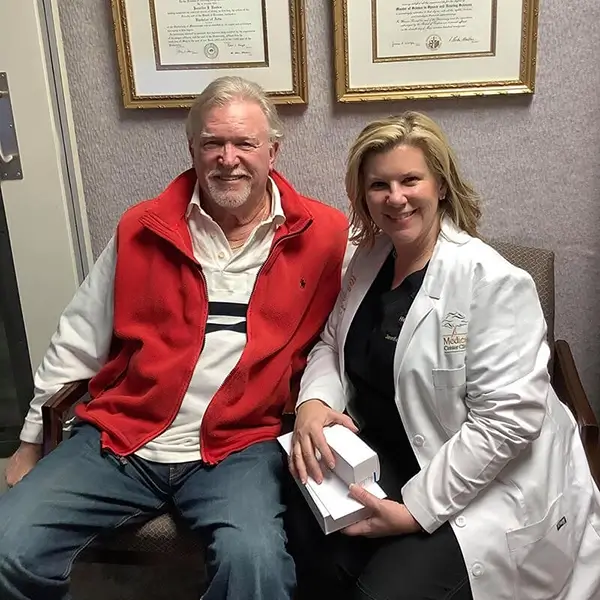
Thank you all for the help with my hearing aids. Everyone is so kind each time I come in, and I feel very well taken care of.
Karen H.
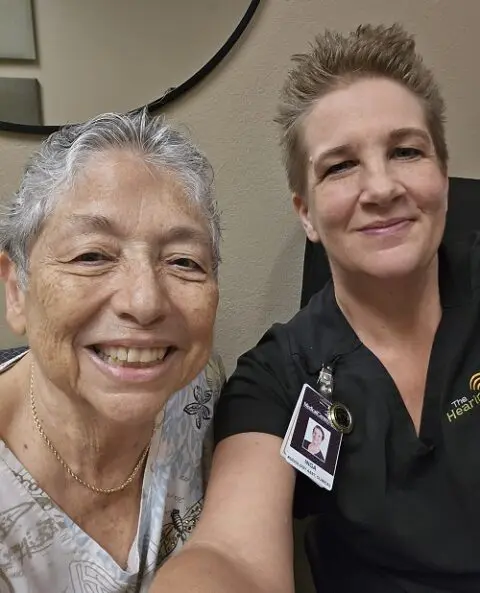
My hearing loss started when I was just 10 years old as a result of multiple ear infections. I was really struggling to hear, and as a result, I had to have a lot of ear construction to save my hearing. I was told that I would never be able to hear certain tones again. For many years, I was living in a world of isolation and I believed that there was no way that I would get all of my hearing back. I had an opinion that hearing aids were for older people. When I first approached The Hearing Center, everyone was very warm and welcoming, and it did not matter how many questions I had. They answered them and were very patient with me. They fitted me with hearing aids and the results have been life-changing. I can hear my children. They can no longer come up behind me and scare me! I feel less tired, I have more energy, and as a result, I am losing weight. Getting help with my hearing from The Hearing Center was the best thing I ever did!
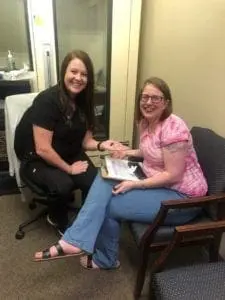
Natasha H.
I have visited many different hearing care providers over the years but none compare to the level of care I have received from Dr. LaBorde and the staff at The Hearing Center. I can honestly say they have changed my life by helping me to regain hearing clarity. I highly recommend them.
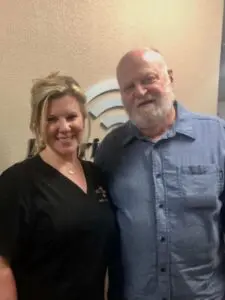
Robert S.
I first noticed my hearing loss when I was having to ask people to repeat themselves a lot. I decided to get my first hearing test and I was very impressed with the service from The Hearing Center. The people were friendly and knowledgeable. Now, I would not be able to cope without my hearing aids. I can now carry a conversation. I can highly recommend seeking help from The Hearing Center if you are struggling with a hearing loss.
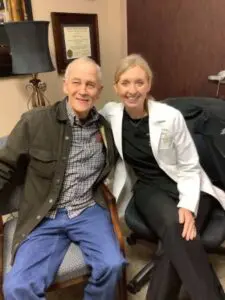
Edward C.
The first time I noticed signs of a hearing loss was back when I was with the Memphis Police Force on the first anti-sniper unit (SWAT) team. Shooting many rounds of guns a week led to ringing in my ears, which it seemed was the start of my hearing loss. The Hearing Center is the very best in the business. They were the most helpful in the profession that I had seen. Since getting my hearing aids, I have no regrets. I enjoy my life much more with my hearing back intact. If you are considering using The Hearing Center, expect to be impressed by the best in the hearing aid business. It’s wonderful to hear well again and I can’t thank them enough.
Bobby B.
Thank you all for the help with my hearing aids. Everyone is so kind each time I come in, and I feel very well taken care of.
Karen H.
My hearing loss started when I was just 10 years old as a result of multiple ear infections. I was really struggling to hear, and as a result, I had to have a lot of ear construction to save my hearing. I was told that I would never be able to hear certain tones again. For many years, I was living in a world of isolation and I believed that there was no way that I would get all of my hearing back. I had an opinion that hearing aids were for older people. When I first approached The Hearing Center, everyone was very warm and welcoming, and it did not matter how many questions I had. They answered them and were very patient with me. They fitted me with hearing aids and the results have been life-changing. I can hear my children. They can no longer come up behind me and scare me! I feel less tired, I have more energy, and as a result, I am losing weight. Getting help with my hearing from The Hearing Center was the best thing I ever did!
Natasha H.
I have visited many different hearing care providers over the years but none compare to the level of care I have received from Dr. LaBorde and the staff at The Hearing Center. I can honestly say they have changed my life by helping me to regain hearing clarity. I highly recommend them.
Robert S.
I first noticed my hearing loss when I was having to ask people to repeat themselves a lot. I decided to get my first hearing test and I was very impressed with the service from The Hearing Center. The people were friendly and knowledgeable. Now, I would not be able to cope without my hearing aids. I can now carry a conversation. I can highly recommend seeking help from The Hearing Center if you are struggling with a hearing loss.
Edward C.
The first time I noticed signs of a hearing loss was back when I was with the Memphis Police Force on the first anti-sniper unit (SWAT) team. Shooting many rounds of guns a week led to ringing in my ears, which it seemed was the start of my hearing loss. The Hearing Center is the very best in the business. They were the most helpful in the profession that I had seen. Since getting my hearing aids, I have no regrets. I enjoy my life much more with my hearing back intact. If you are considering using The Hearing Center, expect to be impressed by the best in the hearing aid business. It’s wonderful to hear well again and I can’t thank them enough.
Bobby B.
Thank you all for the help with my hearing aids. Everyone is so kind each time I come in, and I feel very well taken care of.
Karen H.
My hearing loss started when I was just 10 years old as a result of multiple ear infections. I was really struggling to hear, and as a result, I had to have a lot of ear construction to save my hearing. I was told that I would never be able to hear certain tones again. For many years, I was living in a world of isolation and I believed that there was no way that I would get all of my hearing back. I had an opinion that hearing aids were for older people. When I first approached The Hearing Center, everyone was very warm and welcoming, and it did not matter how many questions I had. They answered them and were very patient with me. They fitted me with hearing aids and the results have been life-changing. I can hear my children. They can no longer come up behind me and scare me! I feel less tired, I have more energy, and as a result, I am losing weight. Getting help with my hearing from The Hearing Center was the best thing I ever did!
Natasha H.
I have visited many different hearing care providers over the years but none compare to the level of care I have received from Dr. LaBorde and the staff at The Hearing Center. I can honestly say they have changed my life by helping me to regain hearing clarity. I highly recommend them.
Robert S.
I first noticed my hearing loss when I was having to ask people to repeat themselves a lot. I decided to get my first hearing test and I was very impressed with the service from The Hearing Center. The people were friendly and knowledgeable. Now, I would not be able to cope without my hearing aids. I can now carry a conversation. I can highly recommend seeking help from The Hearing Center if you are struggling with a hearing loss.
Edward C.
The first time I noticed signs of a hearing loss was back when I was with the Memphis Police Force on the first anti-sniper unit (SWAT) team. Shooting many rounds of guns a week led to ringing in my ears, which it seemed was the start of my hearing loss. The Hearing Center is the very best in the business. They were the most helpful in the profession that I had seen. Since getting my hearing aids, I have no regrets. I enjoy my life much more with my hearing back intact. If you are considering using The Hearing Center, expect to be impressed by the best in the hearing aid business. It’s wonderful to hear well again and I can’t thank them enough.
Bobby B.
Thank you all for the help with my hearing aids. Everyone is so kind each time I come in, and I feel very well taken care of.
Karen H.
My hearing loss started when I was just 10 years old as a result of multiple ear infections. I was really struggling to hear, and as a result, I had to have a lot of ear construction to save my hearing. I was told that I would never be able to hear certain tones again. For many years, I was living in a world of isolation and I believed that there was no way that I would get all of my hearing back. I had an opinion that hearing aids were for older people. When I first approached The Hearing Center, everyone was very warm and welcoming, and it did not matter how many questions I had. They answered them and were very patient with me. They fitted me with hearing aids and the results have been life-changing. I can hear my children. They can no longer come up behind me and scare me! I feel less tired, I have more energy, and as a result, I am losing weight. Getting help with my hearing from The Hearing Center was the best thing I ever did!
Natasha H.
I have visited many different hearing care providers over the years but none compare to the level of care I have received from Dr. LaBorde and the staff at The Hearing Center. I can honestly say they have changed my life by helping me to regain hearing clarity. I highly recommend them.
Robert S.
I first noticed my hearing loss when I was having to ask people to repeat themselves a lot. I decided to get my first hearing test and I was very impressed with the service from The Hearing Center. The people were friendly and knowledgeable. Now, I would not be able to cope without my hearing aids. I can now carry a conversation. I can highly recommend seeking help from The Hearing Center if you are struggling with a hearing loss.
Edward C.
TESTIMONIALS
Patient Stories
Hear from our patients about their experience with us
Trusted Hearing Experts in Pensacola Bay, Gulf Breeze, and the Surrounding Areas
Trusted By Tens of Thousands of Local People, Families,
and Physicians for Over 45 Years
The first time I noticed signs of a hearing loss was back when I was with the Memphis Police Force on the first anti-sniper unit (SWAT) team. Shooting many rounds of guns a week led to ringing in my ears, which it seemed was the start of my hearing loss. The Hearing Center is the very best in the business. They were the most helpful in the profession that I had seen. Since getting my hearing aids, I have no regrets. I enjoy my life much more with my hearing back intact. If you are considering using The Hearing Center, expect to be impressed by the best in the hearing aid business. It’s wonderful to hear well again and I can’t thank them enough.
Bobby B.
Thank you all for the help with my hearing aids. Everyone is so kind each time I come in, and I feel very well taken care of.
Karen H.
My hearing loss started when I was just 10 years old as a result of multiple ear infections. I was really struggling to hear, and as a result, I had to have a lot of ear construction to save my hearing. I was told that I would never be able to hear certain tones again. For many years, I was living in a world of isolation and I believed that there was no way that I would get all of my hearing back. I had an opinion that hearing aids were for older people. When I first approached The Hearing Center, everyone was very warm and welcoming, and it did not matter how many questions I had. They answered them and were very patient with me. They fitted me with hearing aids and the results have been life-changing. I can hear my children. They can no longer come up behind me and scare me! I feel less tired, I have more energy, and as a result, I am losing weight. Getting help with my hearing from The Hearing Center was the best thing I ever did!
Natasha H.
I have visited many different hearing care providers over the years but none compare to the level of care I have received from Dr. LaBorde and the staff at The Hearing Center. I can honestly say they have changed my life by helping me to regain hearing clarity. I highly recommend them.
Robert S.
I first noticed my hearing loss when I was having to ask people to repeat themselves a lot. I decided to get my first hearing test and I was very impressed with the service from The Hearing Center. The people were friendly and knowledgeable. Now, I would not be able to cope without my hearing aids. I can now carry a conversation. I can highly recommend seeking help from The Hearing Center if you are struggling with a hearing loss.
Edward C.
The first time I noticed signs of a hearing loss was back when I was with the Memphis Police Force on the first anti-sniper unit (SWAT) team. Shooting many rounds of guns a week led to ringing in my ears, which it seemed was the start of my hearing loss. The Hearing Center is the very best in the business. They were the most helpful in the profession that I had seen. Since getting my hearing aids, I have no regrets. I enjoy my life much more with my hearing back intact. If you are considering using The Hearing Center, expect to be impressed by the best in the hearing aid business. It’s wonderful to hear well again and I can’t thank them enough.
Bobby B.
Thank you all for the help with my hearing aids. Everyone is so kind each time I come in, and I feel very well taken care of.
Karen H.
My hearing loss started when I was just 10 years old as a result of multiple ear infections. I was really struggling to hear, and as a result, I had to have a lot of ear construction to save my hearing. I was told that I would never be able to hear certain tones again. For many years, I was living in a world of isolation and I believed that there was no way that I would get all of my hearing back. I had an opinion that hearing aids were for older people. When I first approached The Hearing Center, everyone was very warm and welcoming, and it did not matter how many questions I had. They answered them and were very patient with me. They fitted me with hearing aids and the results have been life-changing. I can hear my children. They can no longer come up behind me and scare me! I feel less tired, I have more energy, and as a result, I am losing weight. Getting help with my hearing from The Hearing Center was the best thing I ever did!
Natasha H.
I have visited many different hearing care providers over the years but none compare to the level of care I have received from Dr. LaBorde and the staff at The Hearing Center. I can honestly say they have changed my life by helping me to regain hearing clarity. I highly recommend them.
Robert S.
I first noticed my hearing loss when I was having to ask people to repeat themselves a lot. I decided to get my first hearing test and I was very impressed with the service from The Hearing Center. The people were friendly and knowledgeable. Now, I would not be able to cope without my hearing aids. I can now carry a conversation. I can highly recommend seeking help from The Hearing Center if you are struggling with a hearing loss.
Edward C.
The first time I noticed signs of a hearing loss was back when I was with the Memphis Police Force on the first anti-sniper unit (SWAT) team. Shooting many rounds of guns a week led to ringing in my ears, which it seemed was the start of my hearing loss. The Hearing Center is the very best in the business. They were the most helpful in the profession that I had seen. Since getting my hearing aids, I have no regrets. I enjoy my life much more with my hearing back intact. If you are considering using The Hearing Center, expect to be impressed by the best in the hearing aid business. It’s wonderful to hear well again and I can’t thank them enough.
Bobby B.
Thank you all for the help with my hearing aids. Everyone is so kind each time I come in, and I feel very well taken care of.
Karen H.
My hearing loss started when I was just 10 years old as a result of multiple ear infections. I was really struggling to hear, and as a result, I had to have a lot of ear construction to save my hearing. I was told that I would never be able to hear certain tones again. For many years, I was living in a world of isolation and I believed that there was no way that I would get all of my hearing back. I had an opinion that hearing aids were for older people. When I first approached The Hearing Center, everyone was very warm and welcoming, and it did not matter how many questions I had. They answered them and were very patient with me. They fitted me with hearing aids and the results have been life-changing. I can hear my children. They can no longer come up behind me and scare me! I feel less tired, I have more energy, and as a result, I am losing weight. Getting help with my hearing from The Hearing Center was the best thing I ever did!
Natasha H.
I have visited many different hearing care providers over the years but none compare to the level of care I have received from Dr. LaBorde and the staff at The Hearing Center. I can honestly say they have changed my life by helping me to regain hearing clarity. I highly recommend them.
Robert S.
I first noticed my hearing loss when I was having to ask people to repeat themselves a lot. I decided to get my first hearing test and I was very impressed with the service from The Hearing Center. The people were friendly and knowledgeable. Now, I would not be able to cope without my hearing aids. I can now carry a conversation. I can highly recommend seeking help from The Hearing Center if you are struggling with a hearing loss.
Edward C.
The first time I noticed signs of a hearing loss was back when I was with the Memphis Police Force on the first anti-sniper unit (SWAT) team. Shooting many rounds of guns a week led to ringing in my ears, which it seemed was the start of my hearing loss. The Hearing Center is the very best in the business. They were the most helpful in the profession that I had seen. Since getting my hearing aids, I have no regrets. I enjoy my life much more with my hearing back intact. If you are considering using The Hearing Center, expect to be impressed by the best in the hearing aid business. It’s wonderful to hear well again and I can’t thank them enough.
Bobby B.
Thank you all for the help with my hearing aids. Everyone is so kind each time I come in, and I feel very well taken care of.
Karen H.
My hearing loss started when I was just 10 years old as a result of multiple ear infections. I was really struggling to hear, and as a result, I had to have a lot of ear construction to save my hearing. I was told that I would never be able to hear certain tones again. For many years, I was living in a world of isolation and I believed that there was no way that I would get all of my hearing back. I had an opinion that hearing aids were for older people. When I first approached The Hearing Center, everyone was very warm and welcoming, and it did not matter how many questions I had. They answered them and were very patient with me. They fitted me with hearing aids and the results have been life-changing. I can hear my children. They can no longer come up behind me and scare me! I feel less tired, I have more energy, and as a result, I am losing weight. Getting help with my hearing from The Hearing Center was the best thing I ever did!
Natasha H.
I have visited many different hearing care providers over the years but none compare to the level of care I have received from Dr. LaBorde and the staff at The Hearing Center. I can honestly say they have changed my life by helping me to regain hearing clarity. I highly recommend them.
Robert S.
I first noticed my hearing loss when I was having to ask people to repeat themselves a lot. I decided to get my first hearing test and I was very impressed with the service from The Hearing Center. The people were friendly and knowledgeable. Now, I would not be able to cope without my hearing aids. I can now carry a conversation. I can highly recommend seeking help from The Hearing Center if you are struggling with a hearing loss.
Edward C.
TESTIMONIALS
Patient Stories
Hear from our patients about their experience with us
Trusted Hearing Experts in Pensacola Bay, Gulf Breeze, and the Surrounding Areas
Trusted By Tens of Thousands of Local People, Families,
and Physicians for Over 45 Years
The first time I noticed signs of a hearing loss was back when I was with the Memphis Police Force on the first anti-sniper unit (SWAT) team. Shooting many rounds of guns a week led to ringing in my ears, which it seemed was the start of my hearing loss. The Hearing Center is the very best in the business. They were the most helpful in the profession that I had seen. Since getting my hearing aids, I have no regrets. I enjoy my life much more with my hearing back intact. If you are considering using The Hearing Center, expect to be impressed by the best in the hearing aid business. It’s wonderful to hear well again and I can’t thank them enough.
Bobby B.
Thank you all for the help with my hearing aids. Everyone is so kind each time I come in, and I feel very well taken care of.
Karen H.
My hearing loss started when I was just 10 years old as a result of multiple ear infections. I was really struggling to hear, and as a result, I had to have a lot of ear construction to save my hearing. I was told that I would never be able to hear certain tones again. For many years, I was living in a world of isolation and I believed that there was no way that I would get all of my hearing back. I had an opinion that hearing aids were for older people. When I first approached The Hearing Center, everyone was very warm and welcoming, and it did not matter how many questions I had. They answered them and were very patient with me. They fitted me with hearing aids and the results have been life-changing. I can hear my children. They can no longer come up behind me and scare me! I feel less tired, I have more energy, and as a result, I am losing weight. Getting help with my hearing from The Hearing Center was the best thing I ever did!
Natasha H.
I have visited many different hearing care providers over the years but none compare to the level of care I have received from Dr. LaBorde and the staff at The Hearing Center. I can honestly say they have changed my life by helping me to regain hearing clarity. I highly recommend them.
Robert S.
I first noticed my hearing loss when I was having to ask people to repeat themselves a lot. I decided to get my first hearing test and I was very impressed with the service from The Hearing Center. The people were friendly and knowledgeable. Now, I would not be able to cope without my hearing aids. I can now carry a conversation. I can highly recommend seeking help from The Hearing Center if you are struggling with a hearing loss.
Edward C.
The first time I noticed signs of a hearing loss was back when I was with the Memphis Police Force on the first anti-sniper unit (SWAT) team. Shooting many rounds of guns a week led to ringing in my ears, which it seemed was the start of my hearing loss. The Hearing Center is the very best in the business. They were the most helpful in the profession that I had seen. Since getting my hearing aids, I have no regrets. I enjoy my life much more with my hearing back intact. If you are considering using The Hearing Center, expect to be impressed by the best in the hearing aid business. It’s wonderful to hear well again and I can’t thank them enough.
Bobby B.
Thank you all for the help with my hearing aids. Everyone is so kind each time I come in, and I feel very well taken care of.
Karen H.
My hearing loss started when I was just 10 years old as a result of multiple ear infections. I was really struggling to hear, and as a result, I had to have a lot of ear construction to save my hearing. I was told that I would never be able to hear certain tones again. For many years, I was living in a world of isolation and I believed that there was no way that I would get all of my hearing back. I had an opinion that hearing aids were for older people. When I first approached The Hearing Center, everyone was very warm and welcoming, and it did not matter how many questions I had. They answered them and were very patient with me. They fitted me with hearing aids and the results have been life-changing. I can hear my children. They can no longer come up behind me and scare me! I feel less tired, I have more energy, and as a result, I am losing weight. Getting help with my hearing from The Hearing Center was the best thing I ever did!
Natasha H.
I have visited many different hearing care providers over the years but none compare to the level of care I have received from Dr. LaBorde and the staff at The Hearing Center. I can honestly say they have changed my life by helping me to regain hearing clarity. I highly recommend them.
Robert S.
I first noticed my hearing loss when I was having to ask people to repeat themselves a lot. I decided to get my first hearing test and I was very impressed with the service from The Hearing Center. The people were friendly and knowledgeable. Now, I would not be able to cope without my hearing aids. I can now carry a conversation. I can highly recommend seeking help from The Hearing Center if you are struggling with a hearing loss.
Edward C.
The first time I noticed signs of a hearing loss was back when I was with the Memphis Police Force on the first anti-sniper unit (SWAT) team. Shooting many rounds of guns a week led to ringing in my ears, which it seemed was the start of my hearing loss. The Hearing Center is the very best in the business. They were the most helpful in the profession that I had seen. Since getting my hearing aids, I have no regrets. I enjoy my life much more with my hearing back intact. If you are considering using The Hearing Center, expect to be impressed by the best in the hearing aid business. It’s wonderful to hear well again and I can’t thank them enough.
Bobby B.
Thank you all for the help with my hearing aids. Everyone is so kind each time I come in, and I feel very well taken care of.
Karen H.
My hearing loss started when I was just 10 years old as a result of multiple ear infections. I was really struggling to hear, and as a result, I had to have a lot of ear construction to save my hearing. I was told that I would never be able to hear certain tones again. For many years, I was living in a world of isolation and I believed that there was no way that I would get all of my hearing back. I had an opinion that hearing aids were for older people. When I first approached The Hearing Center, everyone was very warm and welcoming, and it did not matter how many questions I had. They answered them and were very patient with me. They fitted me with hearing aids and the results have been life-changing. I can hear my children. They can no longer come up behind me and scare me! I feel less tired, I have more energy, and as a result, I am losing weight. Getting help with my hearing from The Hearing Center was the best thing I ever did!
Natasha H.
I have visited many different hearing care providers over the years but none compare to the level of care I have received from Dr. LaBorde and the staff at The Hearing Center. I can honestly say they have changed my life by helping me to regain hearing clarity. I highly recommend them.
Robert S.
I first noticed my hearing loss when I was having to ask people to repeat themselves a lot. I decided to get my first hearing test and I was very impressed with the service from The Hearing Center. The people were friendly and knowledgeable. Now, I would not be able to cope without my hearing aids. I can now carry a conversation. I can highly recommend seeking help from The Hearing Center if you are struggling with a hearing loss.
Edward C.
The first time I noticed signs of a hearing loss was back when I was with the Memphis Police Force on the first anti-sniper unit (SWAT) team. Shooting many rounds of guns a week led to ringing in my ears, which it seemed was the start of my hearing loss. The Hearing Center is the very best in the business. They were the most helpful in the profession that I had seen. Since getting my hearing aids, I have no regrets. I enjoy my life much more with my hearing back intact. If you are considering using The Hearing Center, expect to be impressed by the best in the hearing aid business. It’s wonderful to hear well again and I can’t thank them enough.
Bobby B.
Thank you all for the help with my hearing aids. Everyone is so kind each time I come in, and I feel very well taken care of.
Karen H.
My hearing loss started when I was just 10 years old as a result of multiple ear infections. I was really struggling to hear, and as a result, I had to have a lot of ear construction to save my hearing. I was told that I would never be able to hear certain tones again. For many years, I was living in a world of isolation and I believed that there was no way that I would get all of my hearing back. I had an opinion that hearing aids were for older people. When I first approached The Hearing Center, everyone was very warm and welcoming, and it did not matter how many questions I had. They answered them and were very patient with me. They fitted me with hearing aids and the results have been life-changing. I can hear my children. They can no longer come up behind me and scare me! I feel less tired, I have more energy, and as a result, I am losing weight. Getting help with my hearing from The Hearing Center was the best thing I ever did!
Natasha H.
I have visited many different hearing care providers over the years but none compare to the level of care I have received from Dr. LaBorde and the staff at The Hearing Center. I can honestly say they have changed my life by helping me to regain hearing clarity. I highly recommend them.
Robert S.
I first noticed my hearing loss when I was having to ask people to repeat themselves a lot. I decided to get my first hearing test and I was very impressed with the service from The Hearing Center. The people were friendly and knowledgeable. Now, I would not be able to cope without my hearing aids. I can now carry a conversation. I can highly recommend seeking help from The Hearing Center if you are struggling with a hearing loss.
Edward C.
Request a Callback
Utilize prebuilt templates and components for a professional, stunning look. Save time and focus on content with our user-friendly, customizable design solutions.
Request a Callback
Utilize prebuilt templates and components for a professional, stunning look. Save time and focus on content with our user-friendly, customizable design solutions.
Request a Callback
Utilize prebuilt templates and components for a professional, stunning look. Save time and focus on content with our user-friendly, customizable design solutions.